
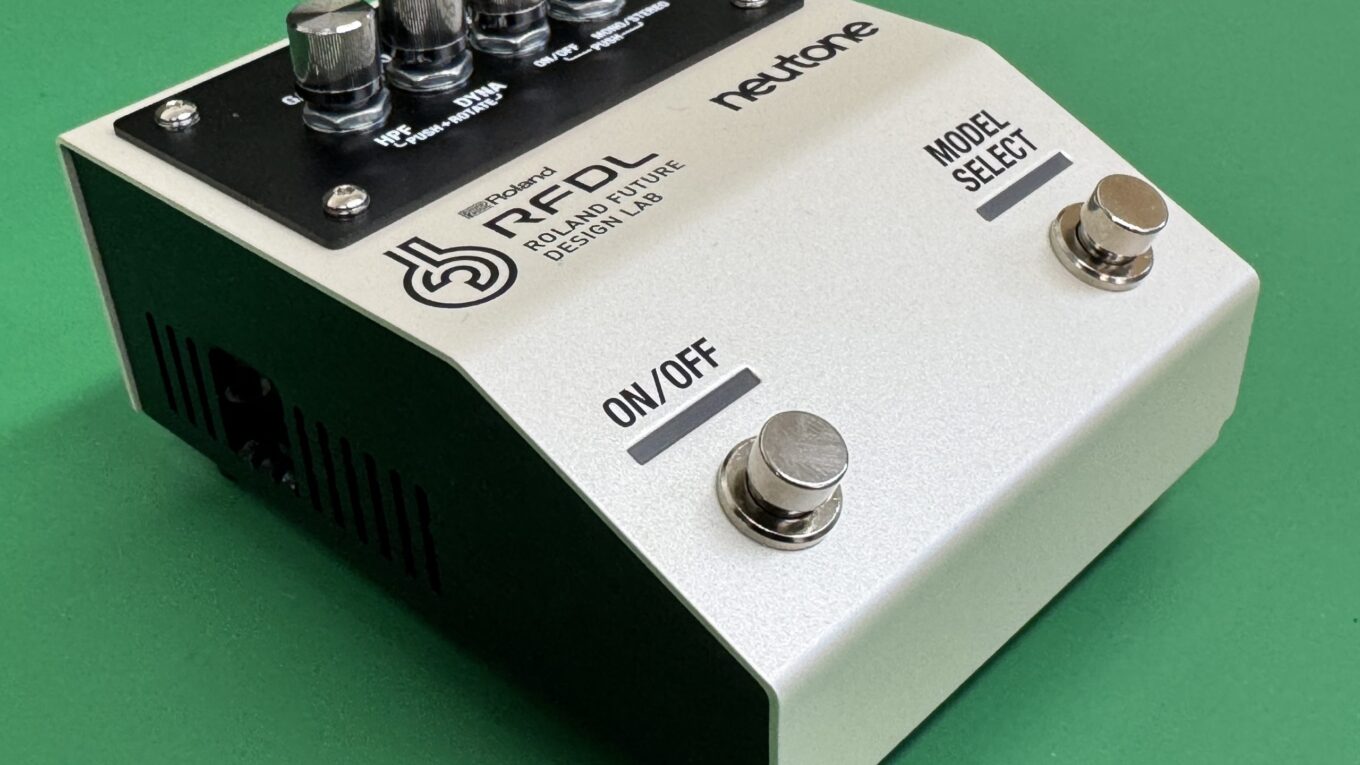
Roland Project LYDIA
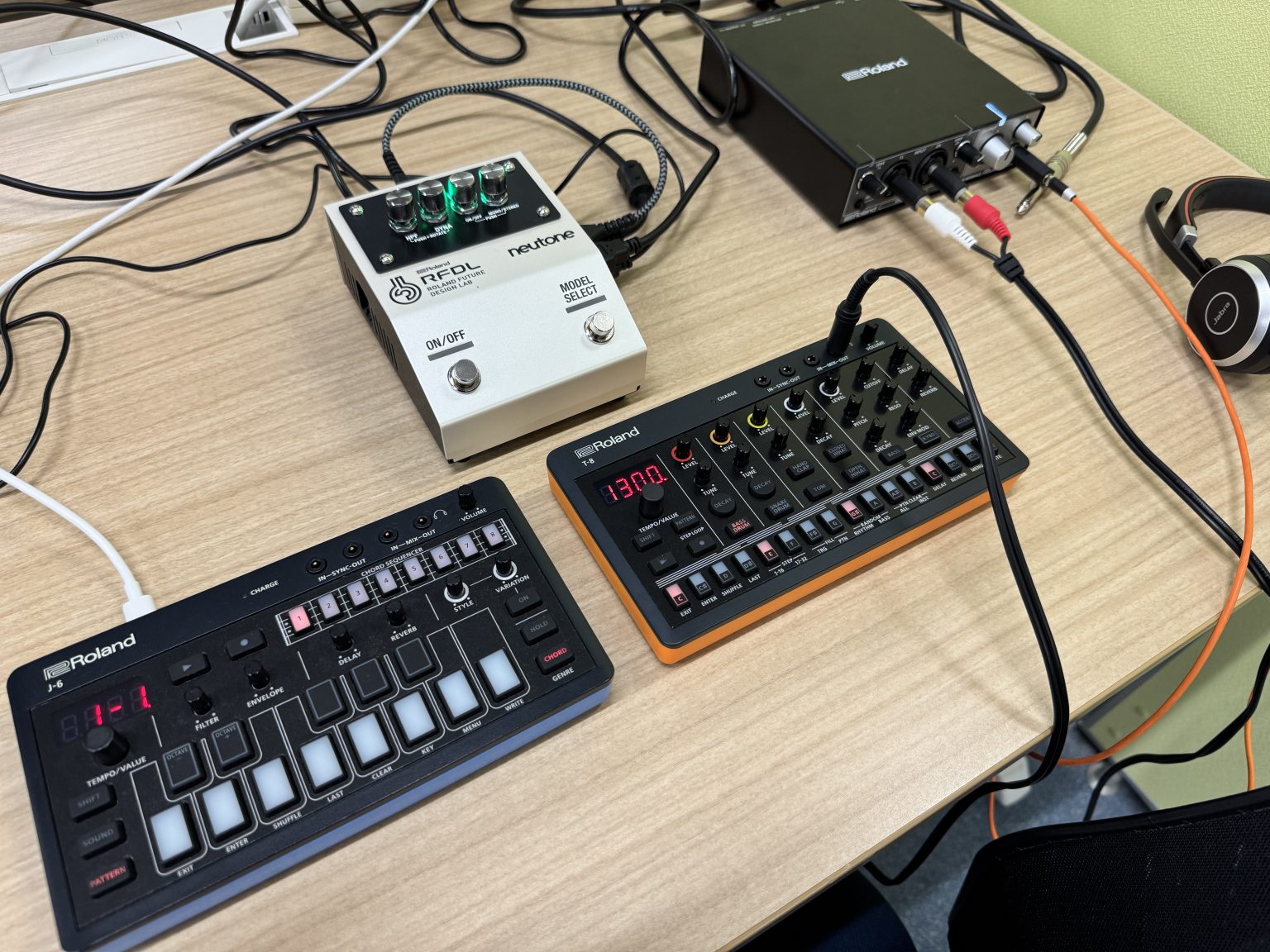
Roland Project LYDIA is a collaboration partnership between Roland and Neutone, makers of next-generation AI tools for musicians and artists. The project is based on the Raspberry Pi 5 platform and contains the Neutone trainable AI software. The package is enclosed in a hardware pedal format designed by Roland.
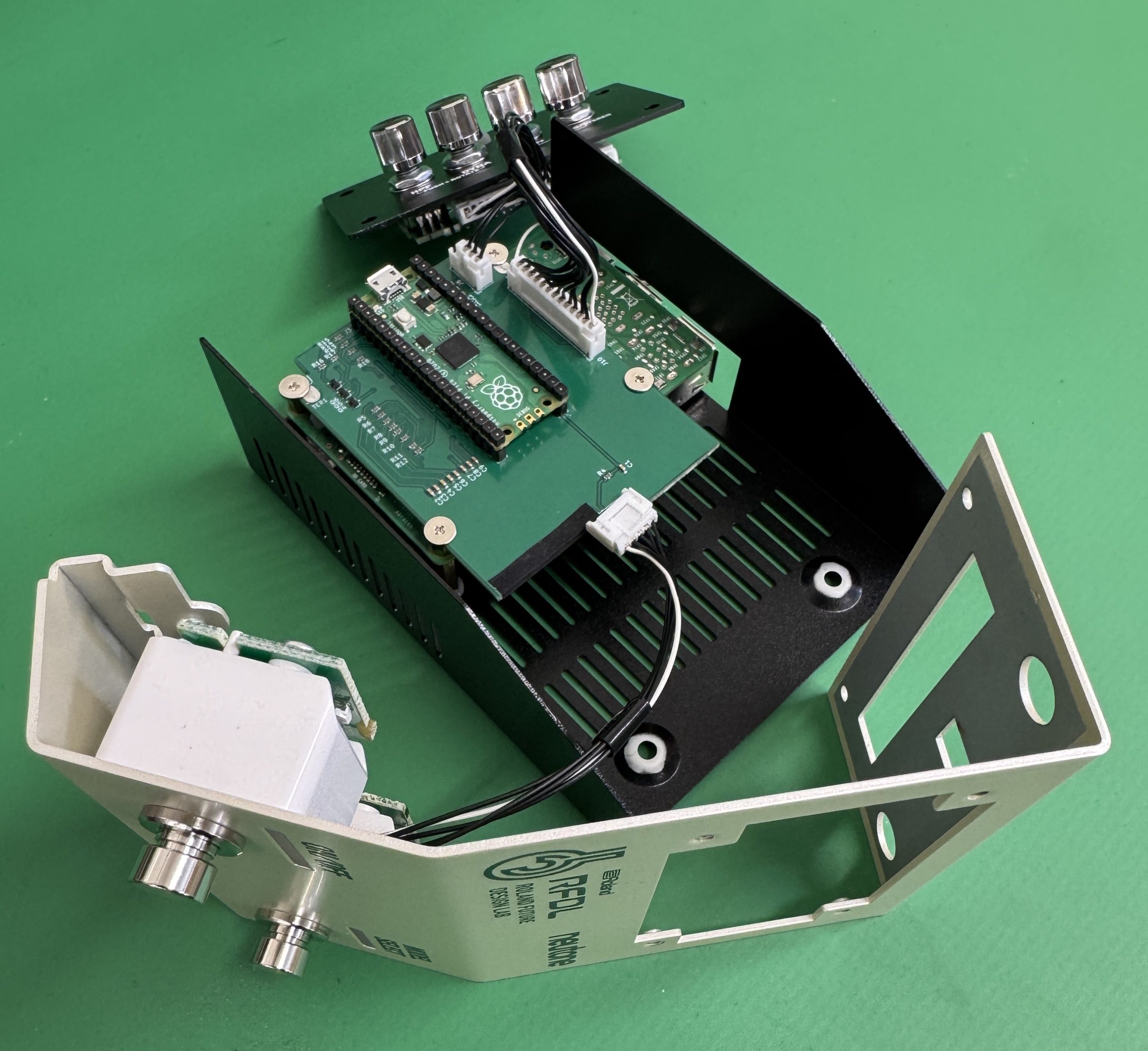
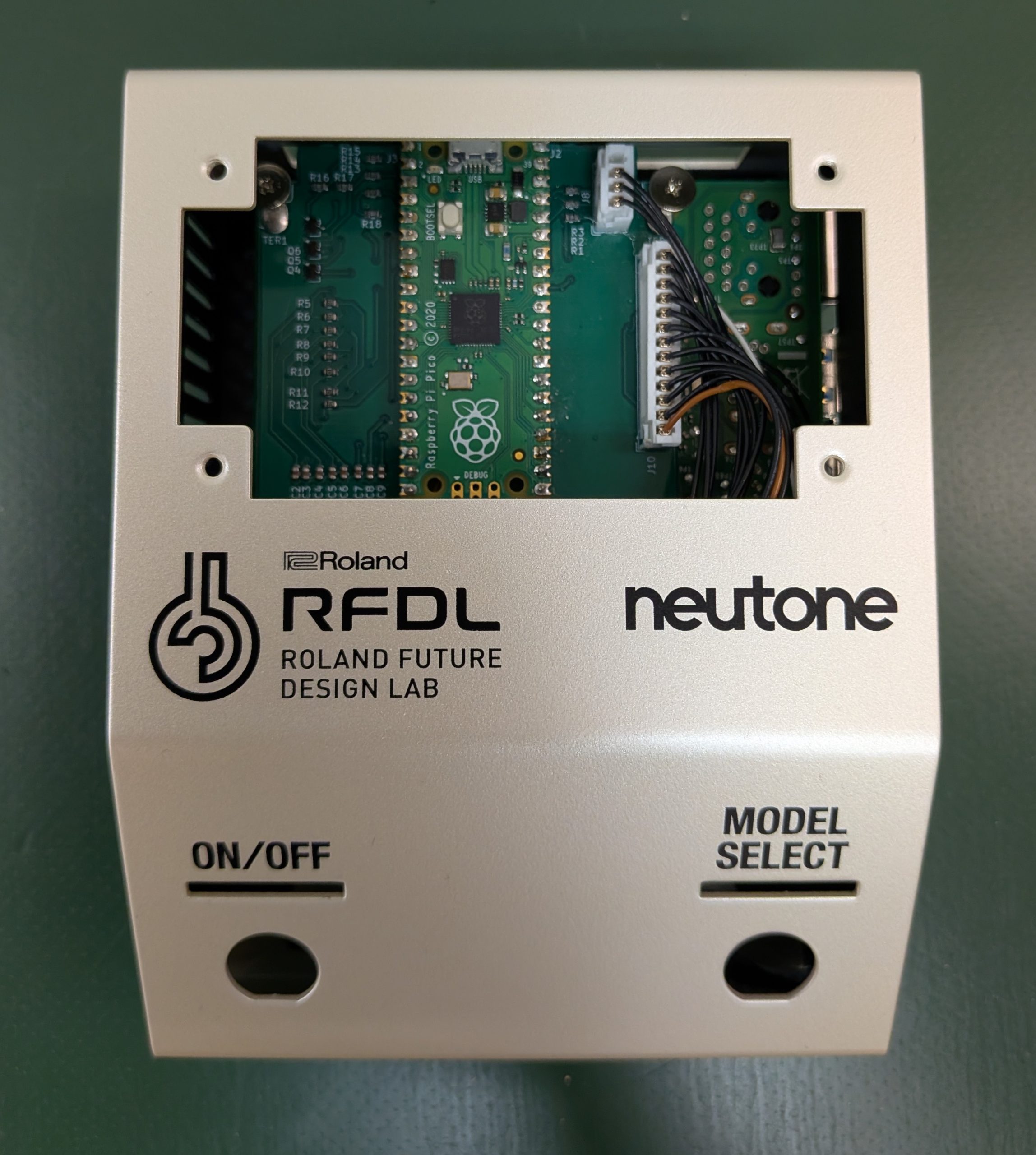
Under the hood and loaded on the rPi is Morpho, a Neutone technology optimized for low-latency tinkering and live performance. Morpho learns the tonal qualities of a user-defined sound and applies them to an input signal as a creative effect.
📣 Live Show Announcement!
We will be discussing Project LYDIA LIVE on the Synth Geekery show!
When: Saturday, 1PM 15 November 2025
Where: https://youtube.com/watch?v=tOyRlFShAAE
Don’t miss it!
Video:
What’s special about neural sampling is that users can capture sounds from the world around them, train a model on these sounds, and perform with it on stage. Not only that, but the choice of what to train Project LYDIA on is not limited to conventional instruments. Indeed, any sound can be made musical by morphing it in real time with an input carrier signal. Human heartbeats can become kick drums, birdsong and whale calls can become melodies, and your noisy coffee machine can become a breakbeat—if that’s where your creativity takes you.
Project signal flow roadmap:
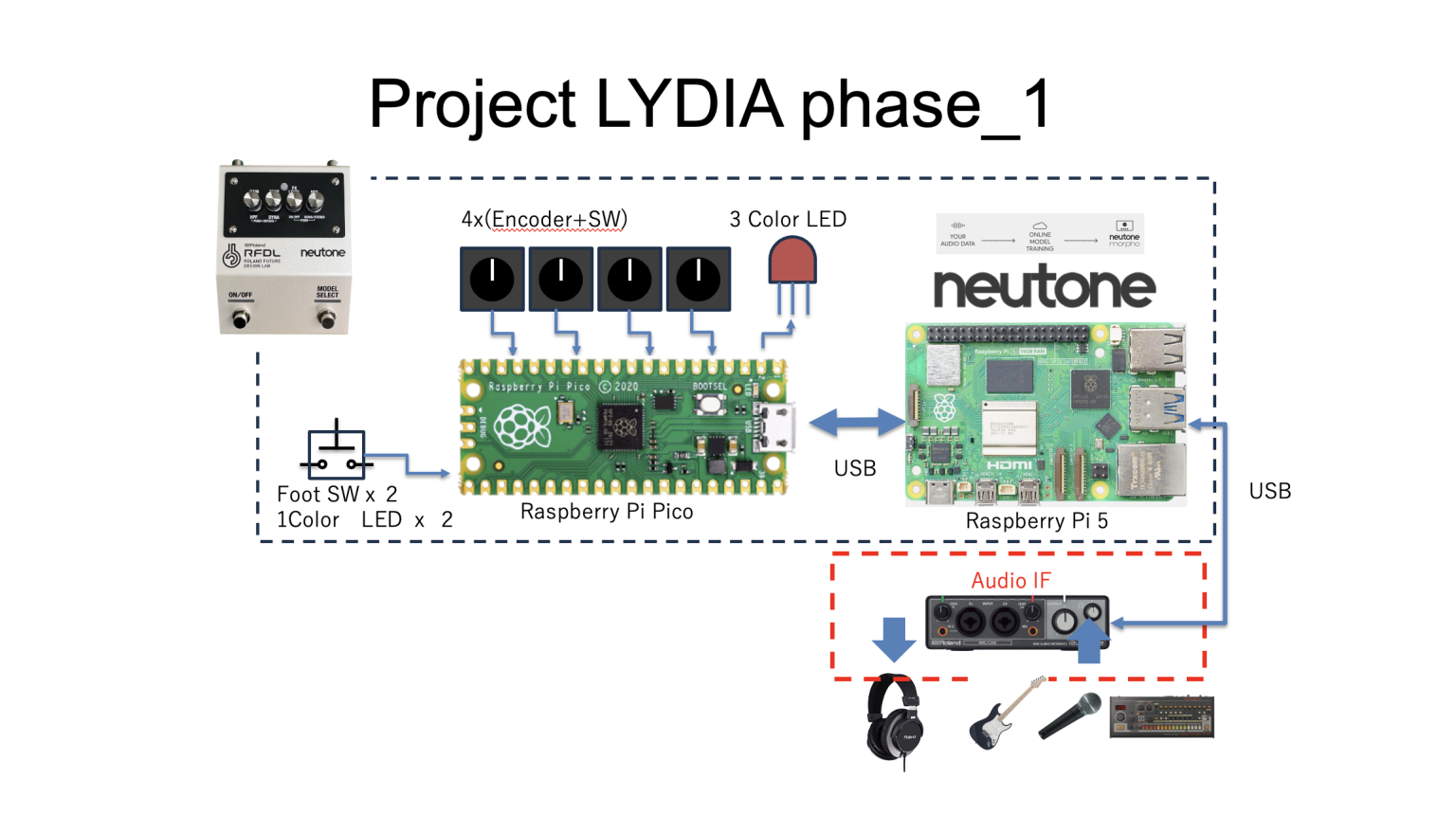
You’ll be able to preview LYDIA at Audio Developer Conference in Bristol, UK (10-12 Nov 2025). In our current mockups, Project LYDIA houses the Raspberry Pi computer running the special version of Morpho and our latest ideas for a simple physical control panel. Audio I/O is managed by a USB-connected Roland Rubix interface. In the next version of hardware, we plan to fully integrate the audio I/O, making Project LYDIA completely self-contained.
Link: https://articles.roland.com/introducing-project-lydia/
more info on Roland Future Design Lab: https://articles.roland.com/tag/roland-future-design-lab/
more info on Neutone: https://neutone.ai/


Recent Comments