
Synth Geekery 311
In episode 311 we talked about synths, eurorack, sequencers, drum machines, samplers, effects and software! Plus all the usual segments! Funny Side, News from the Geekery, Price Watch, Name that Synth …
Show contents:
- About
- Guests
- Video replay
- Funny Side
- News from The Geekery
- Price Watch
- Name that Synth
- Saturday Sonority
About the Synth Geekery Show

Synth Geekery is a weekly podcast/live stream (YouTube) show about everything synthesizers, drum machines, samplers, sequencers, eurorack and music technology. We take the “one of the masses” viewpoint, where we are also users of gear just like you (read: we’re not influenced by commercial product placement).
The show relies on the generous contributions of the synth community. You can contribute in many ways including supporting us via our YouTube Channel Membership or Patreon. We also have regular and special video guests: if you would like to take part in future shows – please contact me via email on the about page here.
Your Host
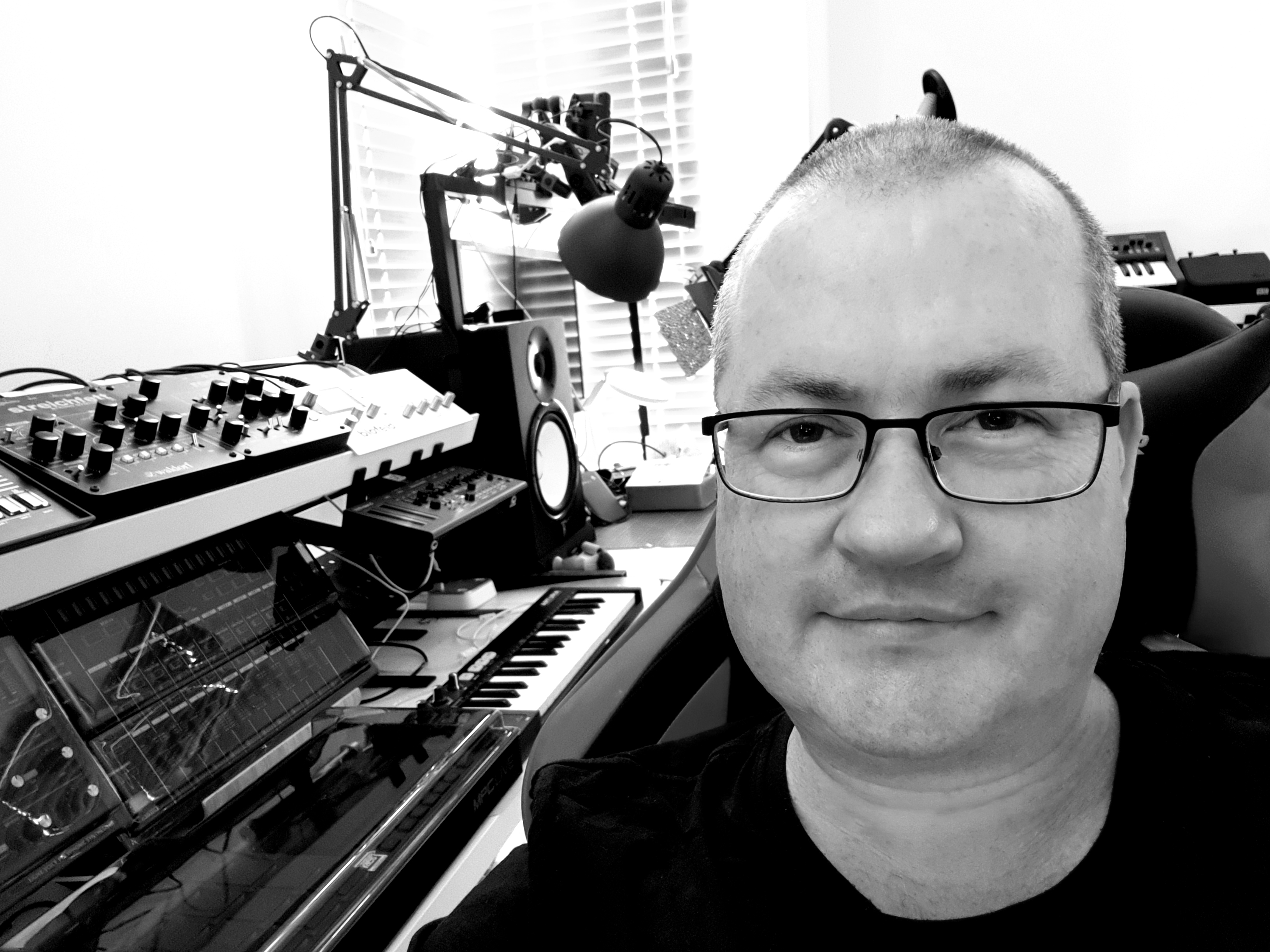
Ranzee (Ranz Adamson) is your show host. He’s based in Perth, Western Australia and has been a hobbyist musician and technologist for most of his life. More information can be found about him here.
YouTube: https://www.youtube.com/ranzee
BandCamp: https://ranzee.bandcamp.com
Guests
This week’s video guests are:
Daren T. Housse

Bandcamp Link: https://darenthousse.bandcamp.com/
Youtube: https://www.youtube.com/channel/UCLPHxpZgFKKE1wkG9ndto3A
Daren resides in the UK and is one of the first video guests on the show since 2019. He has a large amount of tracks on his youtube channel plus a great album collection over on BandCamp.
SynthAddict
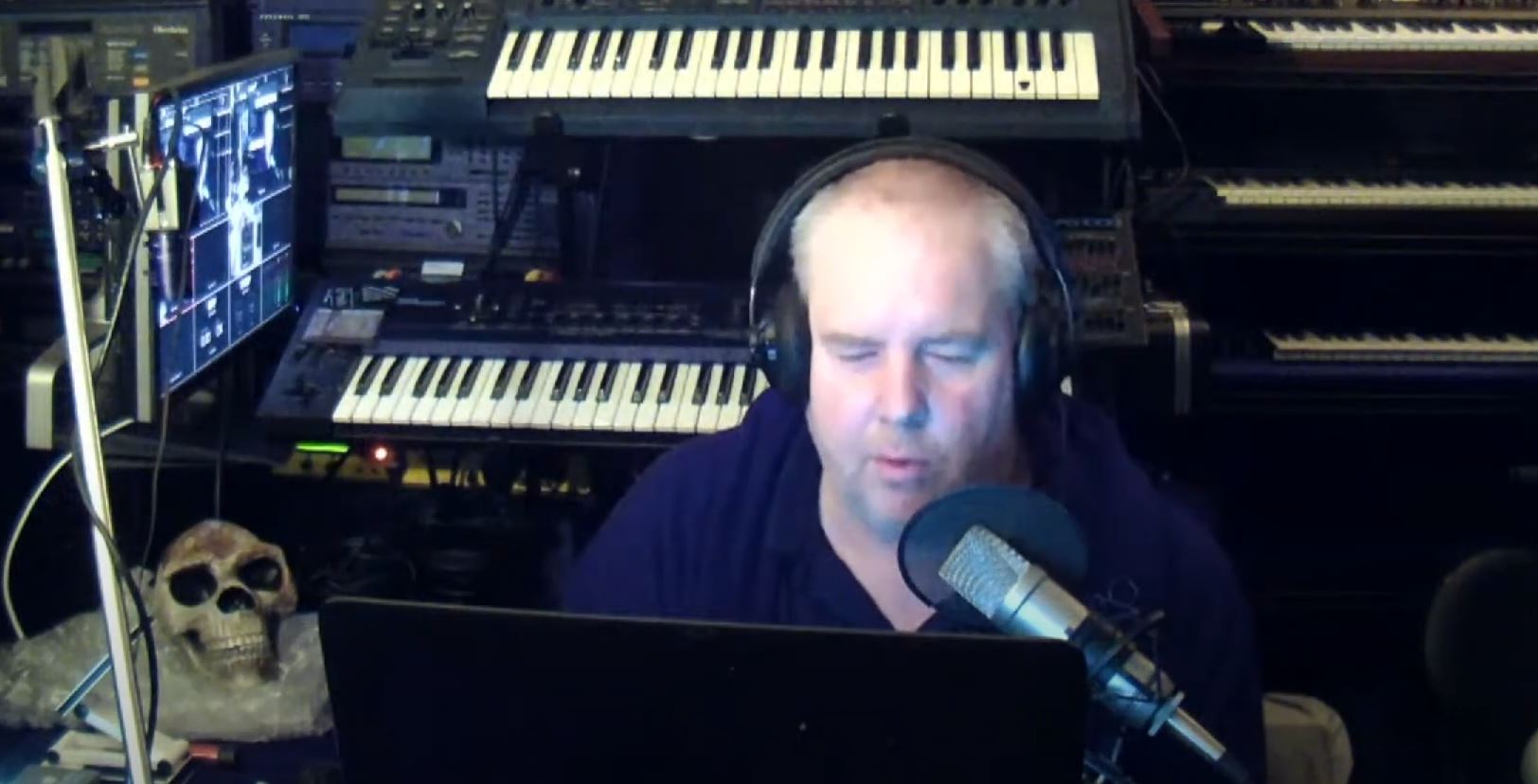
Andy is a musician and technologist from the bay area in California. He has an amazing collection of music tech gadgets and a large knowledge of synthesizers.
Youtube: https://www.youtube.com/channel/UCUtABvP7q29uvLKi73zIjFQ
Ian J. Cole

Ian is a musician, composer, sound designer and producer currently producing solo ambient electronic music. He also runs Sinners Music which is a Record Company and Online Music Retailer in East Yorkshire, England
Youtube: https://www.youtube.com/c/IanJCole
Chris – Maikshifter
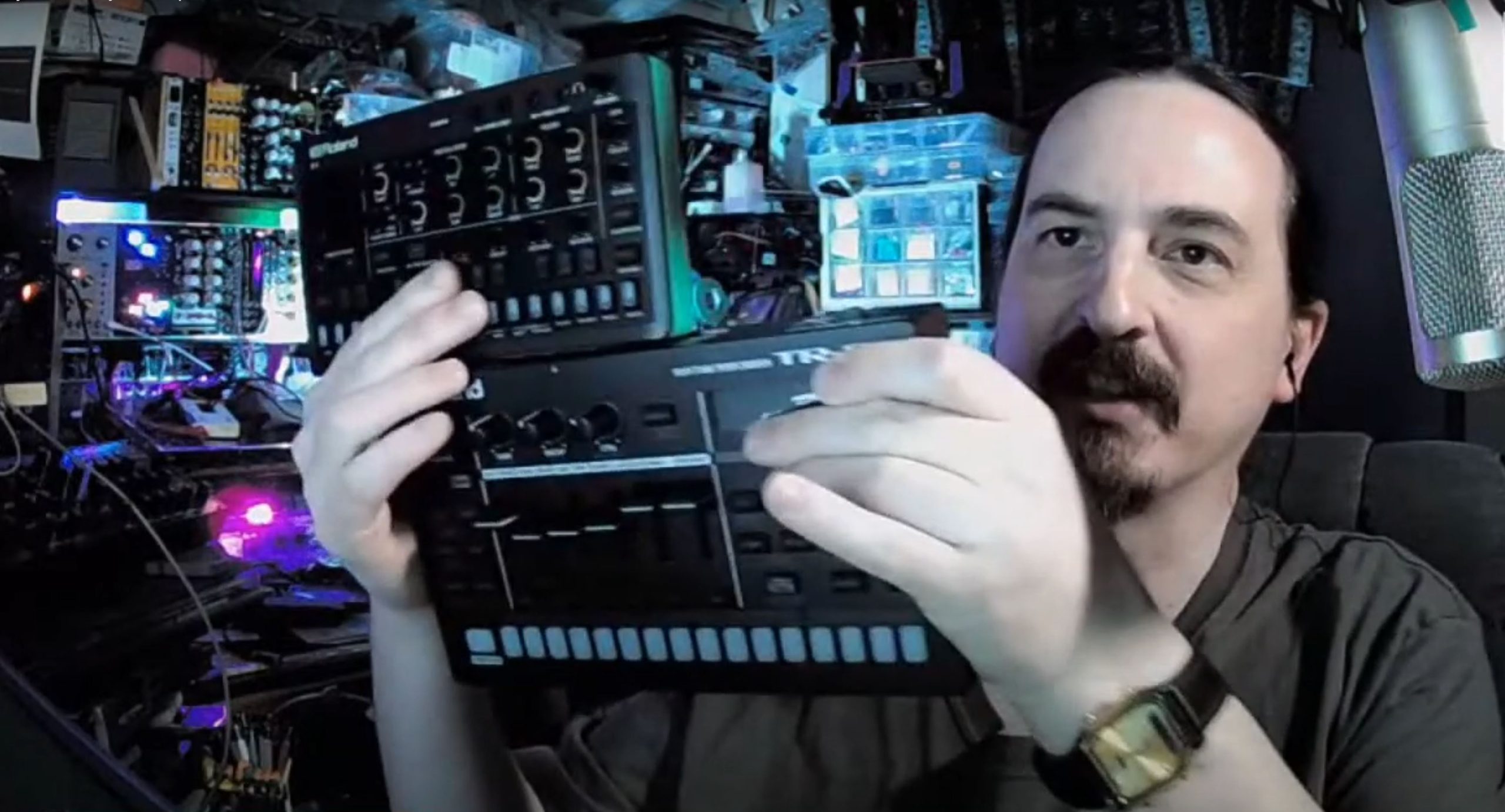
Chris is a musician and technologist from Perth, Western Australia. He’s always had a love for creating and tinkering with music electronics and has recently embarked on a new journey creating eurorack modules.
Youtube: https://www.youtube.com/@Maikshifter
Video replay
Funny Side
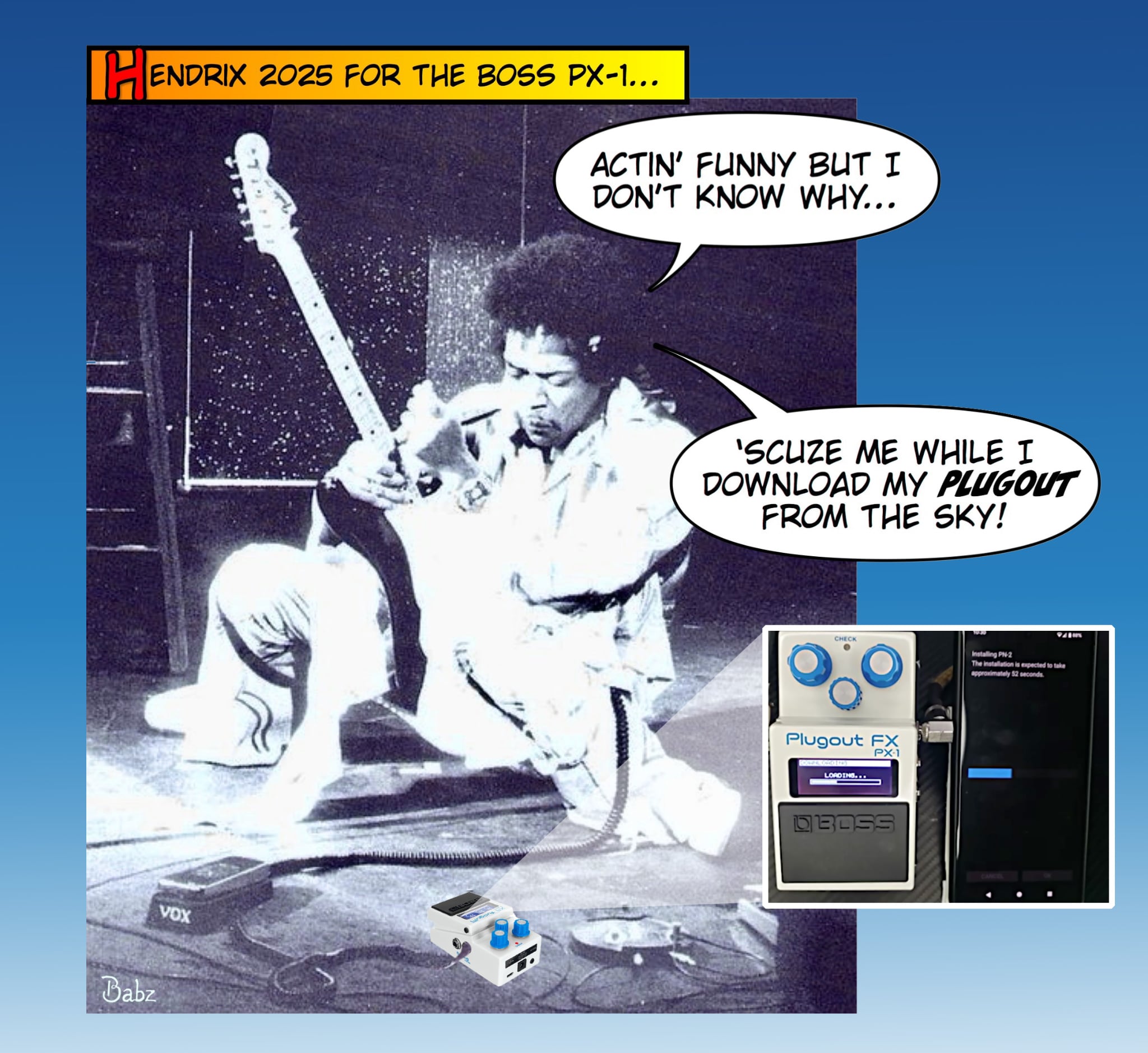
The funny side segment is a collection of memes that are somewhat relevant to the synth geekery community. Some of these images are taken from Facebook, Instagram and other social media sources. Please respect the creators. Hope you enjoy this week’s selection:



News
Behringer BM-14M
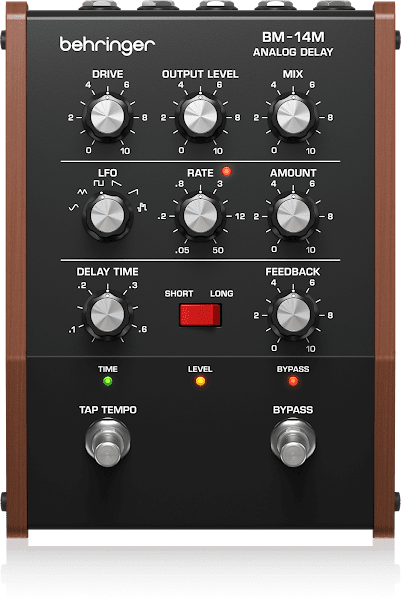
Authentic recreation of the Moog MF-104M analog delay from the 2000’s. They aren’t using the same BBD chip, but they claim they’re getting the same sound using one of their own. I’m guessing it is a Cool Audio MN3007. Moog had problems producing the original due to the difficulty in sourcing the original BBD chip.
The bypass switch has 2 functions: the first works as you’d expect – bypasses the effect and allows the original source sound through unchanged. However, if you hold the switch down, the LED glows blue and it allows for the effect to process until you switch it off – which gives you a tail-style effect.
Overview & Features
The BM-14M is Behringer’s analog Bucket-Brigade-Device (BBD) delay pedal, designed as an homage to the Moog Moogerfooger MF-104M Super Delay. It offers:
- Up to 800 ms delay time (some listings say 1.2 s max, likely with alternate mode)
- Drive control for saturation/character
- Spillover mode for smooth transition of delay trails on bypass
- 6-waveform LFO with Rate and Amount controls
- Tap tempo switch, Effect Bypass, LED indicators
- Rear-panel CV/expression pedal inputs, Feedback insert, MIDI In
- Standard 9 V DC power input (not included; battery not supported; ~400 mA draw)
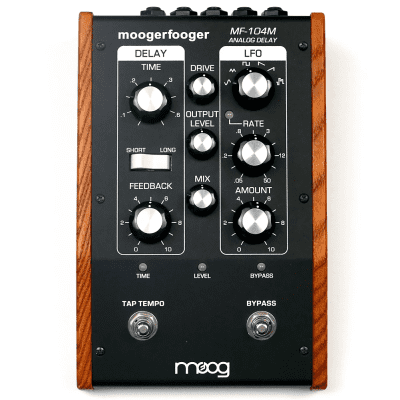
The MoogerFooger range was discontinued by Moog Music. However, they are still offering a software solution available as either a VST/AU instrument or use it on your iOS device.

Feature Comparison: Moog MF-104M vs MF-104Z vs Behringer BM-14M
| Feature | Moog MF-104M (2012) | Moog MF-104Z (2005) | Behringer BM-14M (2025) |
|---|---|---|---|
| Max Delay Time | Up to ~800 ms | Slightly over ~1,000 ms (≈1 s) | Up to ~1,200 ms (1.2 s) |
| Delay Circuit | Vintage analog BBD chips | Analog BBD | Analog BBD |
| Spillover Mode | Yes | Not specified / likely absent | Yes |
| Tap Tempo | Yes—dedicated switch | Not specified | Yes—built-in tap tempo switch |
| Modulation LFO | 6-waveform LFO with Rate & Amount controls | Present (basic modulation section) | 6-waveform LFO with Rate & Amount controls |
| Drive/Saturation | Yes—adds tonal character | Not prominently featured | Yes—drive control for saturation |
| Expression/CV Inputs | Expression or CV available | Expression/CV only—no MIDI | Yes—multiple CV/expression inputs |
| MIDI Control | Yes—full MIDI integration | No MIDI (expression/CV only) | Yes—MIDI input included |
| Build & Power | Metal housing with wood panels; 9 V DC; ~400 mA | Pedal-style build; power not specified | Metal build; 9 V DC (not included); ~400 mA |
| Release / Availability | Released in 2012 (collectible) | Limited reissue in 2005 | Pre-order August/September 2025 (~€119) |
Release / Availability
The BM-14M became available for pre-order in late August 2025, with listings on retail platforms like Thomann.
Pricing Table (as of late August / early September 2025)
| Currency | Approx. Price | Source |
|---|---|---|
| EUR | €119 | Pre-order listings |
| AUD | ~A$200* | Approximate conversion |
| USD | ~US$130* | Approximate conversion |
| GBP | ~£100* | Approximate conversion |
*Note: Based on current approximate conversion rates; local taxes, shipping, or retailer pricing may vary.
Link: https://www.behringer.com/product.html?modelCode=0709-AKT
Cumulus Loopscaper
🌩️ Overview
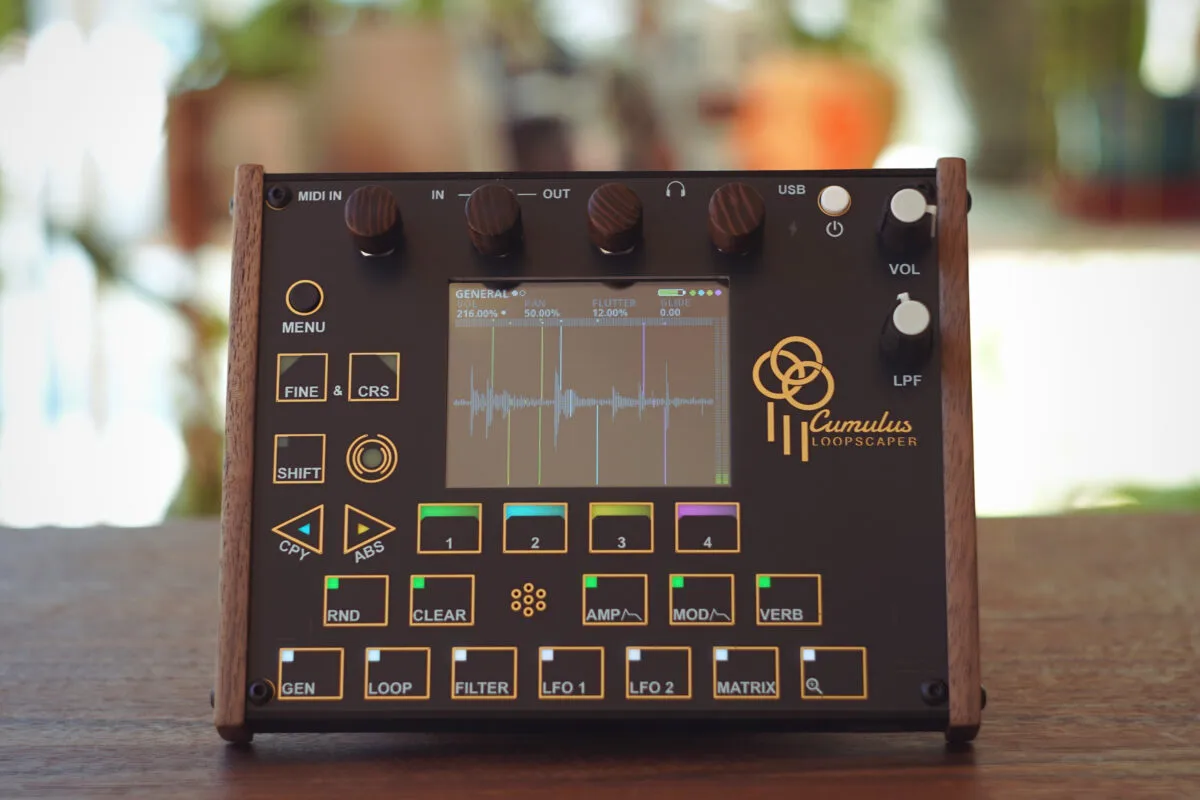
The Cumulus Loopscaper by Rainy Day Electronic Instruments is a sample-based instrument and live audio processor. It combines deep sample and loop manipulation with real-time performance features, making it both a creative sampler and a dynamic effect pedal. With four independent tracks, powerful filters, LFOs, envelopes, and modulation, and an intuitive touchscreen/encoder interface, Cumulus is designed for studio sound design and live improvisation alike.
✨ Features
Core Engine & Tracks
- 4 independent tracks, each with its own playhead
- Play samples via MIDI, onboard keyboard, or track play buttons
- Playback modes: UNISON, POLY, MPE (polyphonic aftertouch + CC#74), POLYCH
- Latching tracks for sustained playback
Interface & Control
- Responsive touchscreen for visual feedback, waveform zoom, parameter display
- 4 tactile encoders with coarse/fine scaling
- Global volume + global filter knobs
- Dedicated buttons: power, menu, track select/play, octave up/down, record, SHIFT, CPY (copy), ABS (absolute), RND (randomize), CLEAR
Sample & Loop Manipulation
- Adjustable loop start/end points, speed control per track
- Zoom utility for precise loop editing
- ABS Mode: selected tracks match a “key” track’s values
- CPY Function: duplicate full parameter sets across tracks
Sound Design Tools
- Global Filter (LP, BP, HP with resonance)
- Per-Track Stereo Resonant Filters with FREQ, RES, DRIVE (self-oscillating if RES > 1.0)
- Dual LFOs per track: multiple waveforms, syncable to MIDI clock
- Dual 6-stage envelopes per track: AMP ENV + MOD ENV (attack, decay, sustain, release, delay, hold; loopable)
- Huge modulation matrix: 32 destinations per track, modulated by envelopes, LFOs, velocity, aftertouch, CC#74, keytracking
- Global Reverb with size, diffusion, LP, mix
Performance & Recording
- Record from line in, mic, USB, or resample output
- Up to 45 seconds per sample, with threshold-based auto-recording
- Live mode: real-time processing of incoming audio (like an FX pedal) with buffer + feedback control
- Randomization and Clear functions for instant inspiration/reset
Connectivity & Storage
- 3.5mm TRS-A MIDI input
- Line-level audio in/out + headphone out
- USB-C for audio, power, MIDI, and charging
- Onboard mic
- Micro SD card for samples/presets (44.1kHz, 16-bit, <8MB samples)
- Save/load presets with full patch + sample references
- Online Chrome-based patch editor for deep remote editing
Power & Portability
- Powered by 1×18650 battery (not included)
- ~10.5 hours runtime with 2,500mAh battery
- Charges during operation + auto-save on low battery
💲 Pricing
From the shop page:
- USD $450
Converted (approximate as of September 2025):
- AUD $685
- EUR €415
- GBP £355
📅 Release Date
- Listed as Available now (2025) on Rainy Day EI’s shop.
📊 Summary Table
| Aspect | Details |
|---|---|
| Product Name | Cumulus Loopscaper |
| Developer | Rainy Day Electronic Instruments |
| Type | Sample-based instrument + live audio processor |
| Tracks | 4 independent tracks with individual playheads |
| Key Features | Touchscreen, encoders, ABS/CPY modes, filters, dual LFOs + envelopes, large modulation matrix, global reverb |
| Recording | Line in, mic, USB, resampling, up to 45s per sample |
| Live Mode | Real-time FX processing with buffer + feedback |
| Connectivity | 3.5mm TRS-A MIDI in, line in/out, USB-C (audio, MIDI, power), headphone out, microSD |
| Storage | Preset + sample management on microSD, Chrome patch editor |
| Power | 18650 battery (~10.5 hrs) or USB-C charging |
| Price | USD $450 / AUD $685 / EUR €415 / GBP £355 |
| Release Date | 2025 (Available now) |
Price: $475
Link: https://rainydayei.com/shop/cumulus/
OBSO by Circle Cynths
Overview & Features
- Concept & Sound Palette
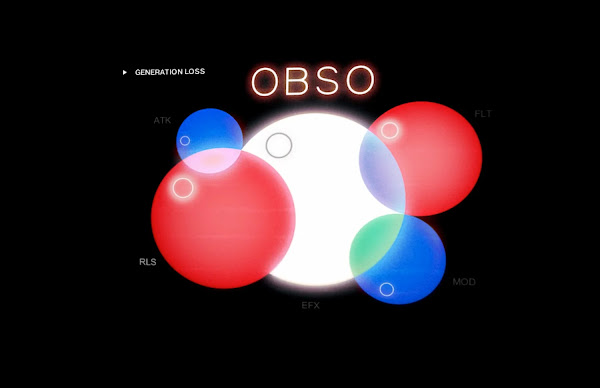
OBSO is a virtual synthesizer designed to evoke nostalgia by drawing on textures from obsolete technology—VCRs, cassette decks, and similar media. It delivers “dreamlike but intuitive” soundscapes, spanning nostalgic synths, creamy pads, lush basses, shimmering bells, and more, all with a distinctly warm and vintage character. The interface centres on five visceral control circles offering deep range while remaining simple to use. - Presets & Tag Search
It ships with 120 unique patches, including categories like Bells, Brass, Strings, Keys, Pads, and more. These are complemented by a built-in tag-search system that makes it easy to pinpoint the right sound. - User Experience
The interface is intentionally minimalistic, yet expressive—designed such that any knob position yields a musically inspiring result. Sounds are crafted to both integrate vividly into mixes or stand alone as lead textures. - Ideal Use Cases
OBSO fits a wide range of creative contexts—from film and game scoring to ambient pop—offering tactile soundscapes that bring nostalgic warmth to modern productions.
How It Works with Native Instruments’ Kontakt
OBSO functions as a third-party Kontakt library. Here’s how to install and use it:
- Purchase & Serial Receipt: After purchase, you’ll receive a serial number in your purchase confirmation email.
- Activate via Native Access:
- Open Native Access and log into your NI account.
- Click “Add Serial”, enter the provided serial number.
- OBSO will appear in Kontakt’s library browser.
- Launch & Play: Open Kontakt or Kontakt Player; you’ll find OBSO listed and ready to load and play.
Summary Table
| Category | Details |
|---|---|
| Release Date | August 2025 (notably mid-August; e.g. 18 August in reporting) |
| Compatibility | Requires Kontakt or Kontakt Player (v7.10.5+) and is NKS-ready |
| Patches | 120 unique patches with tag-based search across multiple categories |
| Interface | Intuitive, minimalist with five control circles for expressive shaping |
| Sound Style | Vintage, nostalgic tones via textures from obsolete media (VCRs, cassettes, etc.) |
| Use Cases | Film/game scoring, pop, ambient, etc., with warm, atmospheric textures |
| Installation | Via Native Access: add serial → appears in Kontakt library |
| Pricing | USD $69.69 ≈ AUD 102.5; EUR ≈ 59.8; GBP ≈ 51.5 |
Pricing Across Currencies
The instrument is priced at USD $69.69. Based on current mid-market exchange rates, approximate converted prices are:
| Currency | Amount |
|---|---|
| USD | $69.69 |
| AUD | $102.5 |
| EURO | €59.5 |
| GBP | £51.5 |
Release Date & Compatibility
- Release Date: OBSO debuted in August 2025, with announcements around mid-August. For example, The Beat Community reported its release on 18 August 2025, and other sources trace mentions back to early/mid-August.
- Kontakt Requirements: OBSO is designed exclusively for use within Kontakt or the free Kontakt Player (version 7.10.5 or newer).
- NKS Support: OBSO is NKS-ready, meaning it integrates seamlessly with Native Instruments’ hardware controllers.
Final Thoughts
OBSO by Circle Cynths offers a captivating blend of vintage texture and modern usability. Its minimalist interface and lush, nostalgic palette make it a powerful tool for evocative sound design. The straightforward Kontakt integration, coupled with versatile patch categorization and NKS compatibility, make it both accessible and flexible for creative workflows. At under USD $70, it represents remarkable value—especially given its depth and character.
Link: https://circlecynths.com/obso
Noise Engineering Mimetic Digitwolis
Overview & Features
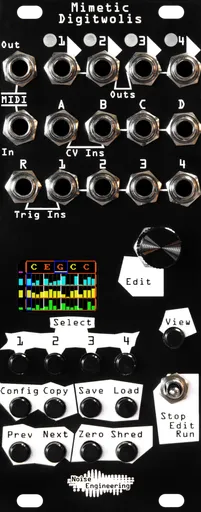
The Mimetic Digitwolis (a.k.a. “MD2”) is Noise Engineering’s highly anticipated successor to the Mimetic Digitalis. It expands significantly on its predecessor with powerful sequencing, quantization, and performance capabilities—all packed into a compact 10 HP Eurorack module.
Key highlights include:
- Four configurable output lanes—each capable of emitting modulation CV, pitch CV, triggers, gates, or functioning as a quantizer for external CV.
- Five trigger inputs plus four CV inputs—fully assignable for extensive routing and control flexibility.
- Color screen with intuitive interface for editing, mapping, and performance.
- Internal quantization—for both generated sequences and external CV. Scales editable manually or via MIDI keyboard.
- Clock dividers, per-channel variable sequence lengths (1–16 steps), and Cartesian (X/Y) navigation (e.g., 4×4, 5×3 grids).
- Shred (randomization) and Zero functions, now also externally triggerable for dynamic generative patterns.
- Slew limiting, CV offset/attenuation, lane range constraints, and extensive editing shortcuts.
- Preset memory—24 slots (stores sequence, mappings, configuration).
- MIDI in/out (via 3.5 mm TRS Type A jacks) with MIDI clock sync, Program Change for profile recall, MIDI-CC, and note output from lanes.
- Compact yet powerful: 10 HP width, draws 80 mA @ +12V and 20 mA @ –12V.
| Feature / Aspect | Mimetic Digitalis (Original) | Mimetic Digitwolis (Version 2) |
|---|
| Sequencer Type | 4-channel Cartesian grid sequencer (4×4 layout, 16 steps) | 4-channel Cartesian sequencer, up to 16 steps per sequence, flexible step lengths, advanced navigation modes |
| Outputs | Four individually editable CV outputs + one trigger output | Four configurable lanes that can output modulation CV, pitch CV, triggers, gates—or act as quantizers for external CV |
| Inputs | Trigger buttons (next/XY/random/origin) and CV inputs for X/Y addressing | Advanced I/O: 5 trigger inputs + 4 CV inputs, freely assignable to mappings |
| Randomization / Performance Tools | Shred (randomize) and Zero (mute step), with Undo and pattern storage (16 patterns, 8 on-the-fly) | Improved Shred (randomization) and Zero—now also externally triggerable; enhanced editing, plus more dynamic workflows |
| Display / Interface | 4×4 LED/grid buttons—hands-on editing; encoder per channel (older interface) | Full-color screen replacing button grid, more intuitive navigation and configuration |
| Quantization | No built-in quantizer (external quantizers needed) | Internal and external quantizers, with editable scales—even via external MIDI keyboard |
| Clock / Sequencing Control | Standard clock via trigger/buttons; manual sequencing only | Internal clock, clock dividers per channel, flexible triggering via CV, XY, external clock, MIDI |
| MIDI Support | None | Full MIDI in/out (3.5 mm TRS)—MIDI clock sync, Program Change, MIDI-CC, note output from lanes |
| Memory / Presets | Save and load up to 16 patterns (with 8 immediate “on-the-fly” slots) | Likely increased/configurable presets, though exact number not stated—enhanced recall via MIDI and UI (inferred) |
| Size & Power | 10 HP, approx. +12V 58 mA, –12V 22 mA, 0 mA @ +5V | Same 10 HP format, but deeper; +12V 80 mA, –12V 20 mA |
| Workflow Focus | Performative, simple and immediate sequencing with live-jam emphasis | Maintains live jamming ethos but with expanded flexibility, configurability, and integration—rethought for deeper performance and studio use |
Summary Table
| Attribute | Details |
|---|---|
| Product | Noise Engineering Mimetic Digitwolis (MD2) |
| Function | Advanced four-channel Eurorack sequencer & quantizer with MIDI |
| Outputs | CV (mod/pitch), gates, triggers, quantizer for external CV |
| Inputs | 5 trigger ins, 4 CV ins, MIDI in/out via TRS |
| Key Features | Shred, Zero, quantization, clock dividers, sequence lengths, Cartesian navigation, presets, color display |
| Size | 10 HP Eurorack width; Depth: ~26 mm |
| Power | +12V: 80 mA; –12V: 20 mA |
| Release Date | Ships from September 18, 2025 |
| MSRP | US $385 |
| Approx. Prices | AUD $589 · GBP £285 · EUR €332 |
Release Date & Pricing
- Starting shipping on: September 18, 2025
| Currency | Price |
|---|
| USD | $385 |
| AUD | $589 (approx.) |
| EUR | €332 (approx.) |
| GBP | £285 (approx.) |
Link: https://noiseengineering.us/products/mimetic-digitwolis/
Price Watch
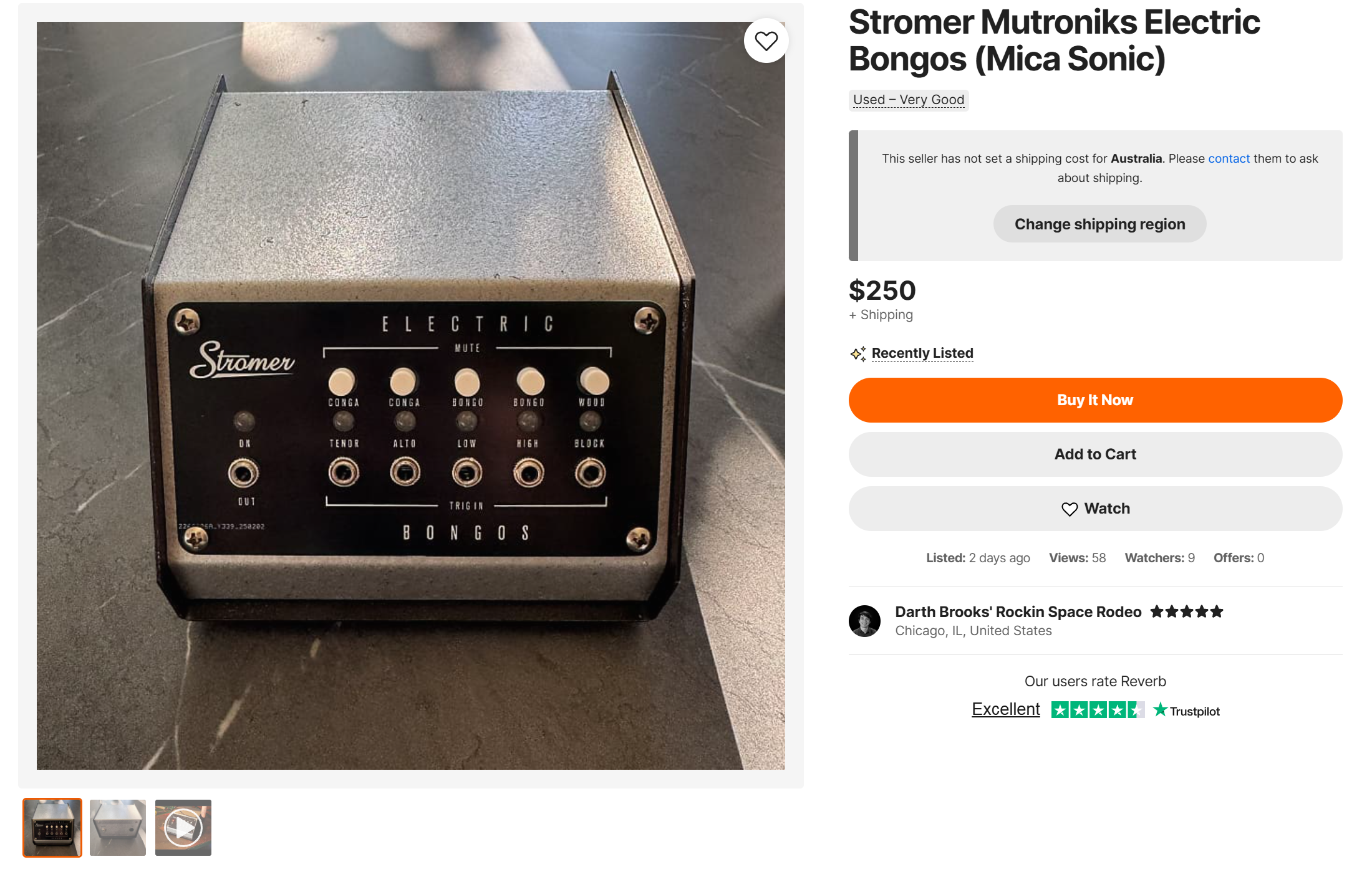
Find below images and links to the items we showed for the price watch segment.
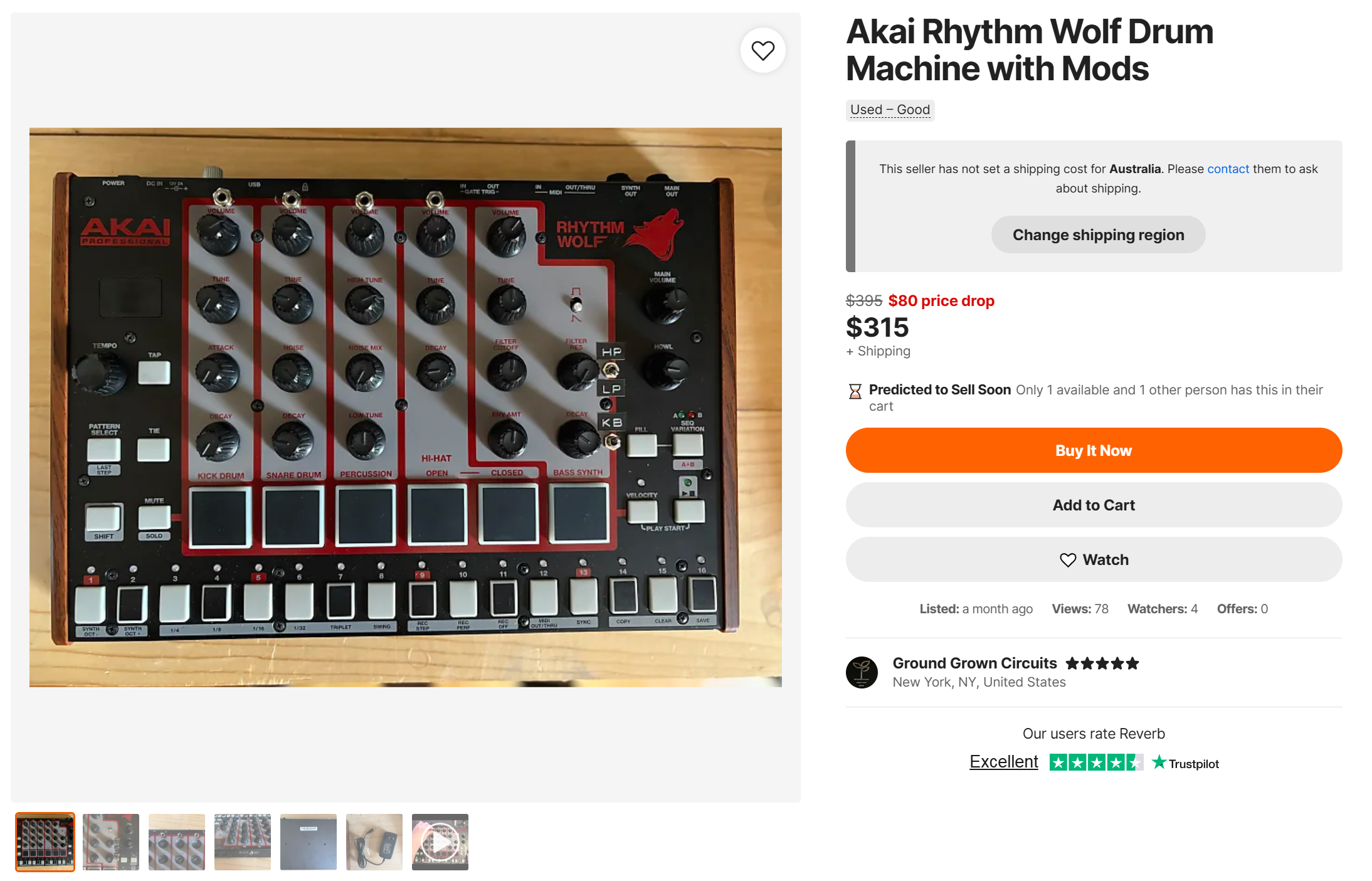
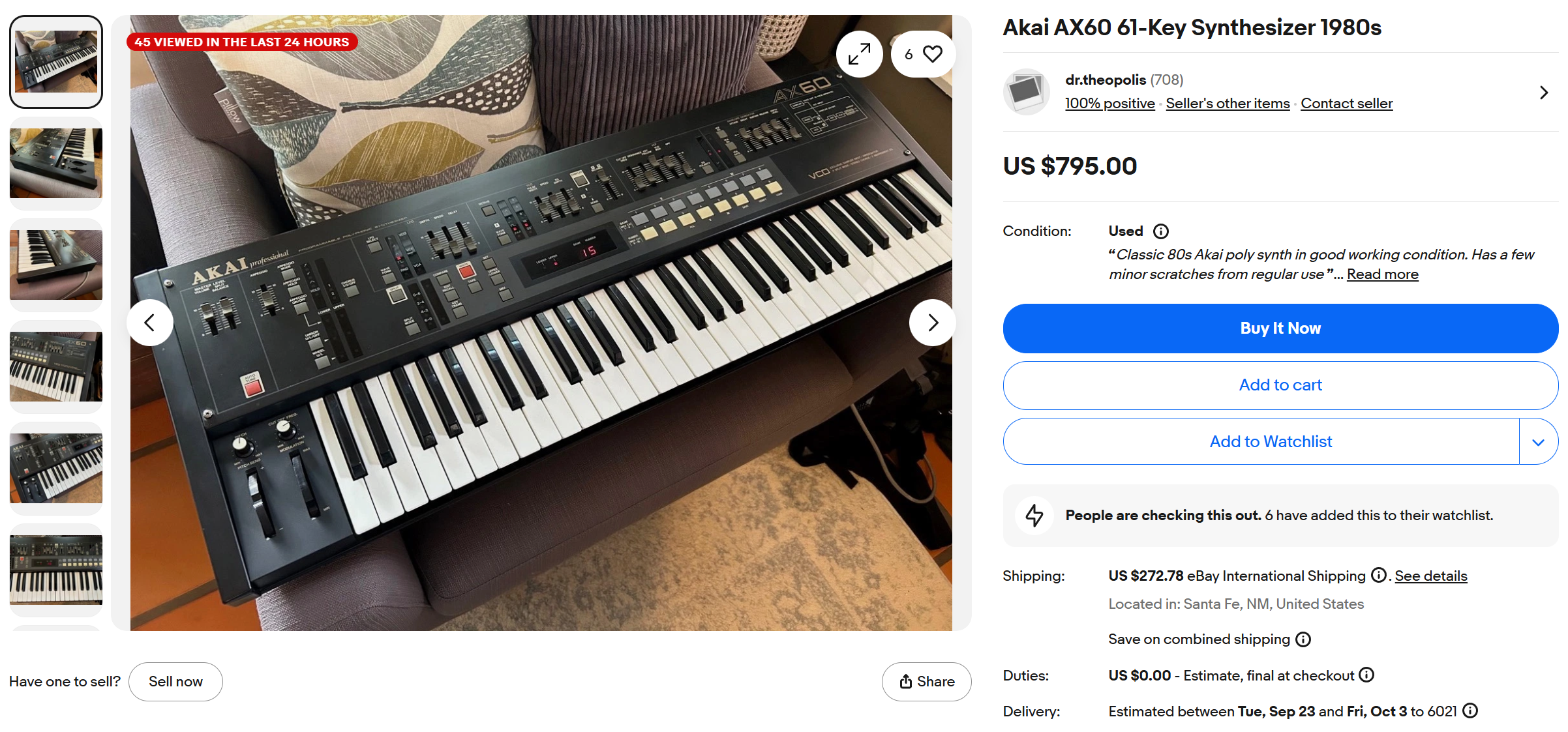
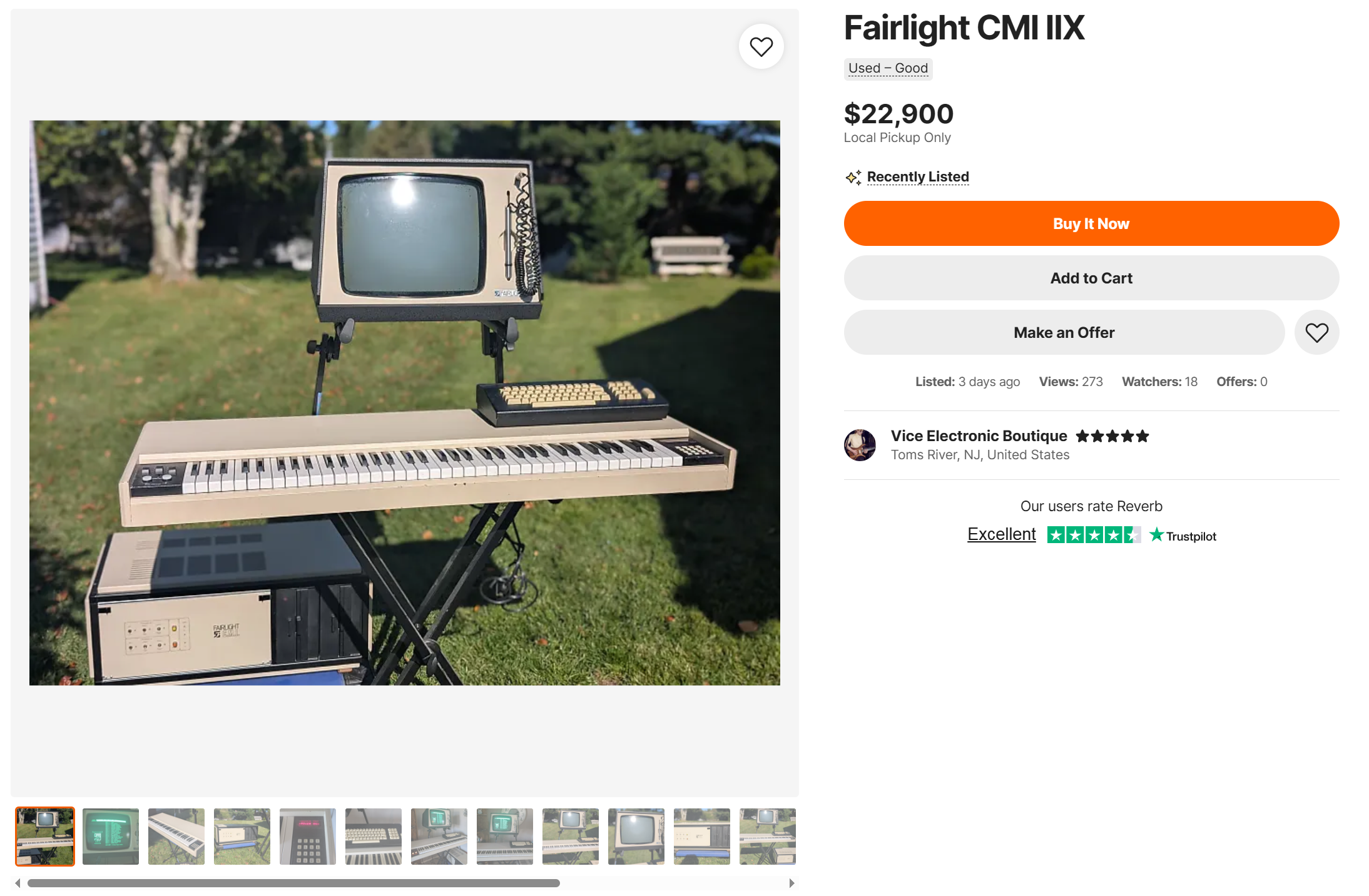
| Akai Rhythm Wolf | https://tidd.ly/45RUsQr |
| Stromer Mutroniks Electric Bongos | https://tidd.ly/4lVUo6N |
| Akai AX60 | https://ebay.us/pteqWG |
| Fairlight CMI IIx | https://tidd.ly/4g69yoI |
Name That Synth
No name that synth this week – send one in!
If you are after more information about Name that Synth – please check out this page here.
Saturday Sonority
This week’s Saturday Sonority we might talking about …..