
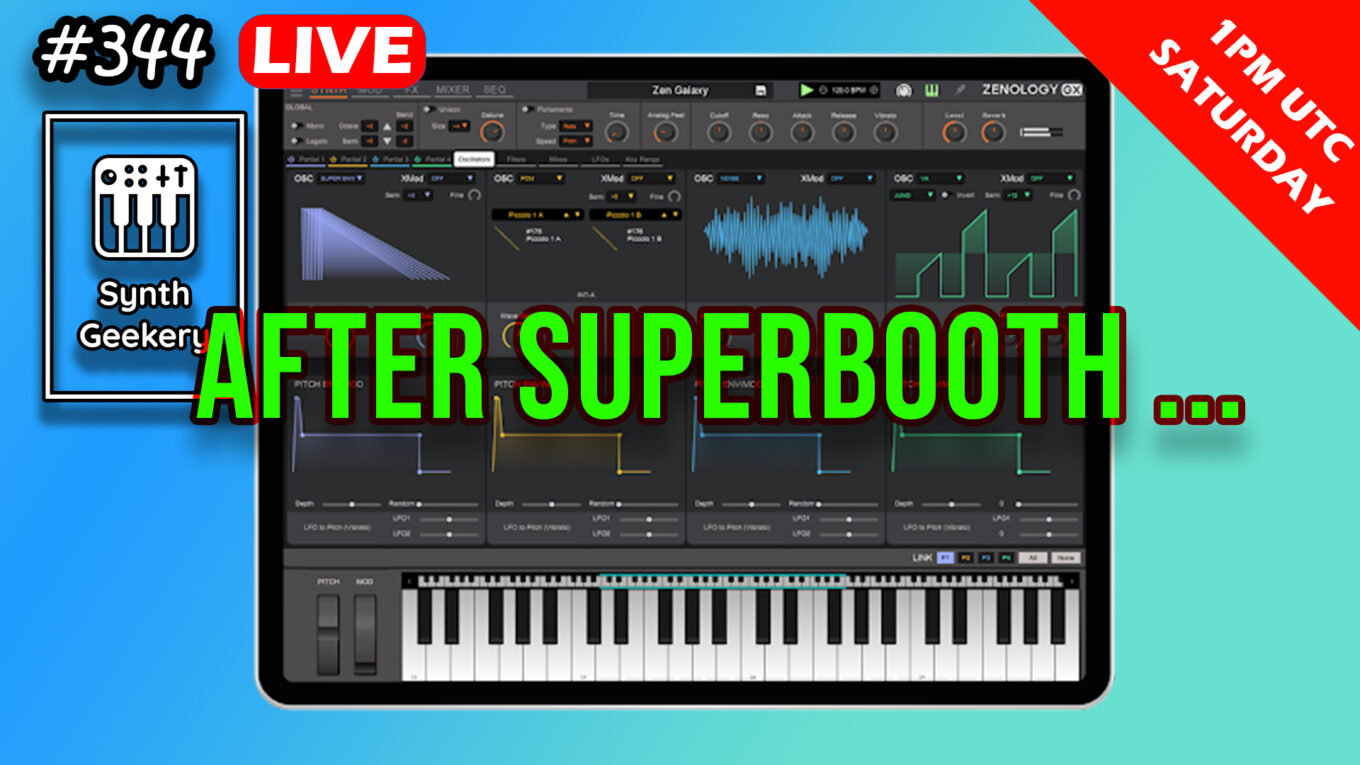
Synth Geekery 344
In episode 344 we talked about synths, eurorack, sequencers, drum machines, samplers, effects and software! Plus all the usual segments! Funny Side, News from the Geekery, Price Watch, Name that Synth …
Show contents:
- About
- Guests
- Video replay
- Funny Side
- News from The Geekery
- Price Watch
- Name that Synth
- Saturday Sonority
About the Synth Geekery Show

Synth Geekery is a weekly podcast/live stream (YouTube) show about everything synthesizers, drum machines, samplers, sequencers, eurorack and music technology. We take the “one of the masses” viewpoint, where we are also users of gear just like you (read: we’re not influenced by commercial product placement).
The show relies on the generous contributions of the synth community. You can contribute in many ways including supporting us via our YouTube Channel Membership or Patreon. We also have regular and special video guests: if you would like to take part in future shows – please contact me via email on the about page here.
Your Host

Ranzee (Ranz Adamson) is your show host. He’s based in Perth, Western Australia and has been a hobbyist musician and technologist for most of his life. More information can be found about him here.
YouTube: https://www.youtube.com/ranzee
BandCamp: https://ranzee.bandcamp.com
Guests
This week’s video guests are:
Daren T. Housse

Bandcamp Link: https://darenthousse.bandcamp.com/
Youtube: https://www.youtube.com/channel/UCLPHxpZgFKKE1wkG9ndto3A
Daren resides in the UK and is one of the first video guests on the show since 2019. He has a large amount of tracks on his youtube channel plus a great album collection over on BandCamp.
SynthAddict
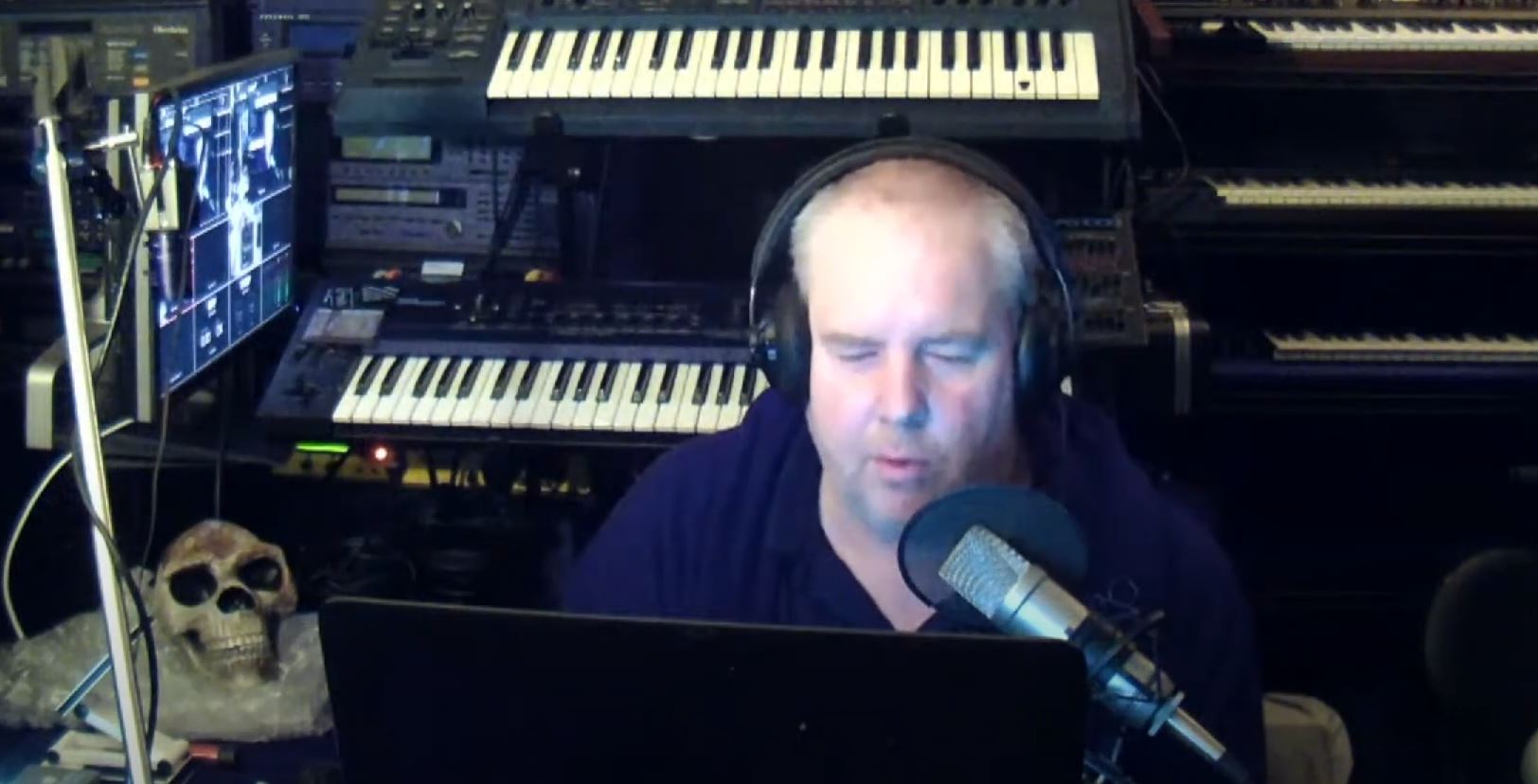
Andy is a musician and technologist from the bay area in California. He has an amazing collection of music tech gadgets and a large knowledge of synthesizers.
Youtube: https://www.youtube.com/channel/UCUtABvP7q29uvLKi73zIjFQ
Ian J. Cole

Ian is a musician, composer, sound designer and producer currently producing solo ambient electronic music. He also runs Sinners Music which is a Record Company and Online Music Retailer in East Yorkshire, England
Youtube: https://www.youtube.com/c/IanJCole
Chris – Maikshifter
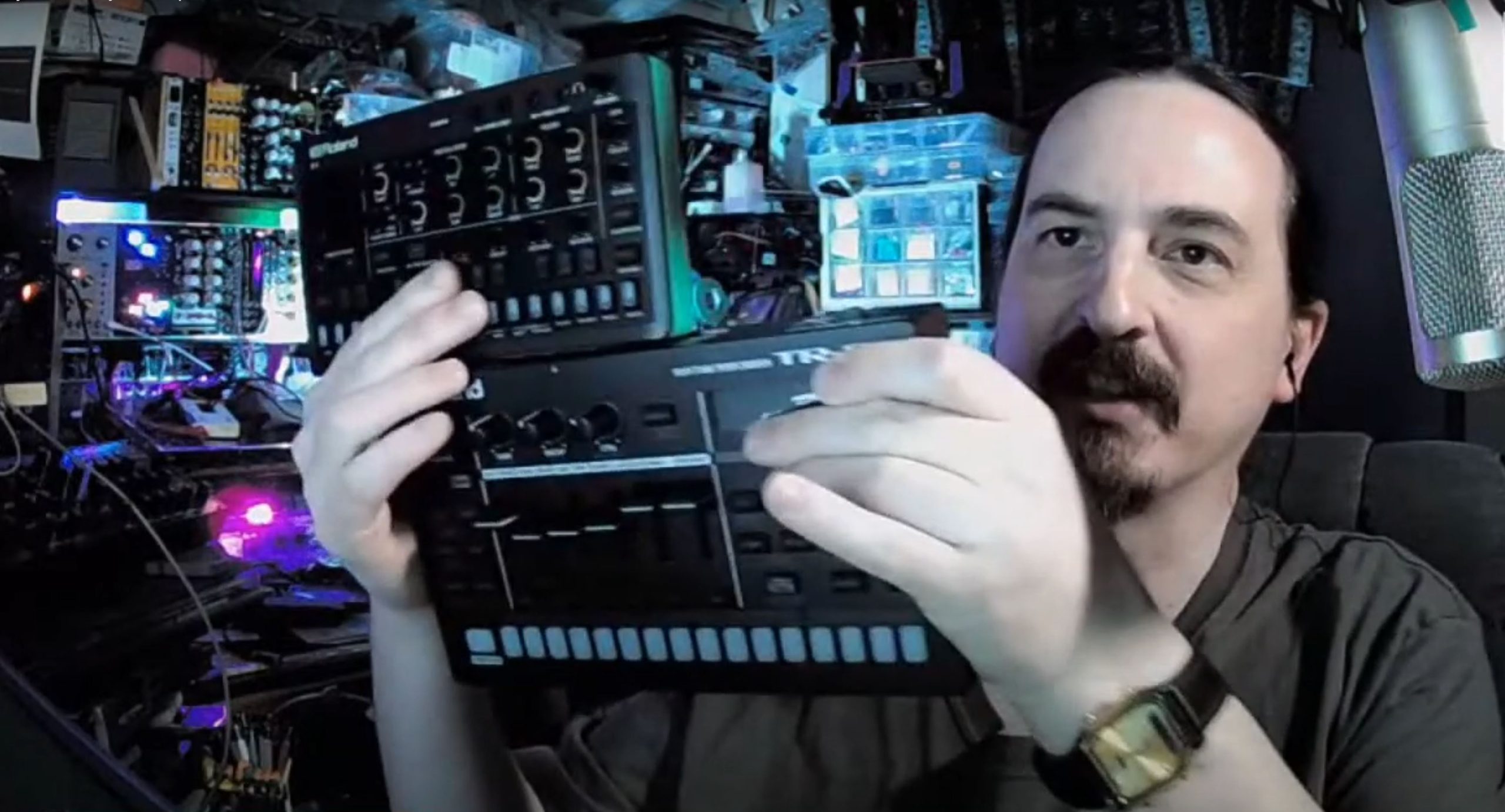
Chris is a musician and technologist from Perth, Western Australia. He’s always had a love for creating and tinkering with music electronics and has recently embarked on a new journey creating eurorack modules.
Youtube: https://www.youtube.com/@Maikshifter
Video replay
Funny Side
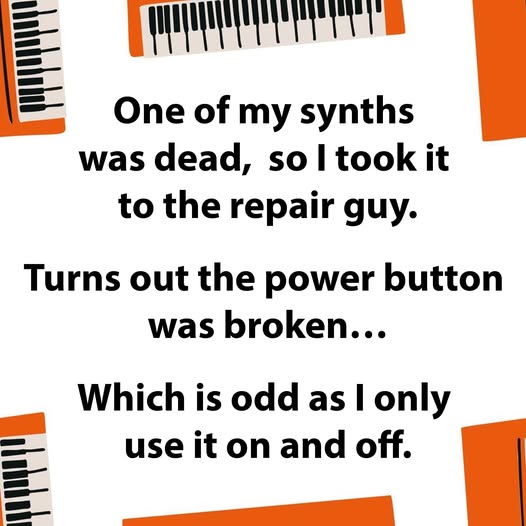
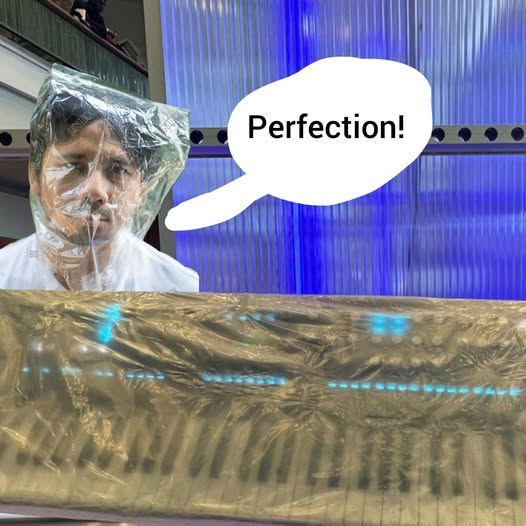
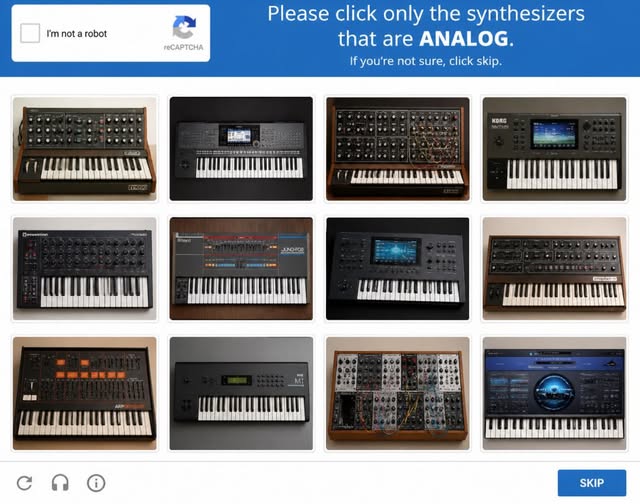
The funny side segment is a collection of memes that are somewhat relevant to the synth geekery community. Some of these images are taken from Facebook, Instagram and other social media sources. Please respect the creators. Hope you enjoy this week’s selection:

News
Roland Brings Flagship Power to Mobile: ZENOLOGY GX for iPad Officially Launches
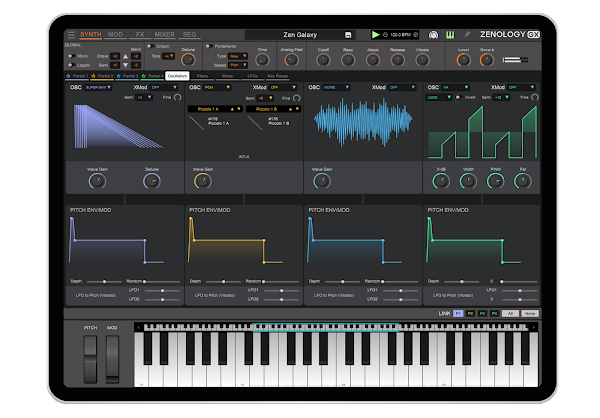
The mobile music production landscape just received a massive upgrade. Roland has officially brought its next-generation sound engine to iPadOS with the release of ZENOLOGY GX for iPad. Revealed earlier this year at NAMM 2026, the app is now officially live on the Apple App Store, giving mobile producers, sound designers, and live performers full access to Roland’s legendary hardware-grade synthesis.
Overview: The Next-Gen ZEN Engine in Your Pocket
ZENOLOGY GX for iPad isn’t just a simple preset player; it is a full-fledged deployment of Roland’s acclaimed ZEN-Core Synthesis System—the exact same digital sound engine driving flagship hardware synthesizers like the FANTOM series and JUPITER-X.
Roland has redesigned the interface from the ground up for iPadOS, replacing dense desktop menus with a vibrant, high-definition, and touch-optimized UI. Sounds are fully cross-compatible between the iPad app and compatible Roland hardware, making it a perfect companion for producers who want to move seamlessly from the studio to live gigs.
While the app has launched as a standalone synthesizer, Roland has explicitly confirmed that AUv3 plugin support is on the way, meaning it will soon integrate smoothly inside mobile DAWs like Logic Pro for iPad, Cubasis, and AUM.
Key Features
- Massive Sonic Vault: Ships with over 4,000 expertly crafted presets spanning classic vintage analog, early digital, and cutting-edge modern hybrid tones. The library is expandable to over 11,000 tones.
- Deep Synth Architecture: Build complex patches using up to four “partials” per tone. Each partial acts as a discrete synth voice equipped with its own flexible oscillator, filter, amplifier, dual LFOs, and EQ.
- Flexible Hybrid Engines: Seamlessly layer virtual analog modeling with modern PCM engines. The app features 4 oscillators, 9 virtual analog waveforms, Supersaw, and 1,840 built-in PCM waveforms (expandable to over 7,000).
- Iconic Filter Emulations: Shape your sounds with ten pristine filter types, including authentic recreations of vintage legends like the JUPITER filter.
- Advanced Motion & Modulation: Features 11 LFO shapes—including tempo-synced Step LFOs with 37 curves per step—to inject rhythmic, modular-style movement into your audio.
- Legendary Roland FX Suite: Process your tracks using 93 Multi-Effects (MFX). This includes authentic emulations of the swirling JUNO-106 chorus, the BOSS CE-1, the SDD-320 Dimension D, and the DJ-FX Looper.
Pricing and Availability
Roland is celebrating the launch with a unique “Free Experience” promo running throughout a limited-time period ending later in 2026.
By simply creating or signing into a free Roland Backstage Account, all features and 4,200+ presets are 100% unlocked for free.
Post-Promo Pricing Architecture
Once the introductory period ends later in 2026, the app will automatically shift to a simplified “Lite” standalone version with restricted editing and a reduced sound library. To keep the full functionality unlocked, users will have the choice between a recurring subscription or a one-time perpetual license.
Note on Lifetime Key Pricing: Roland has officially announced that a “Lifetime Key” (one-time purchase) option will be available alongside premium Roland Cloud memberships. However, individual regional retail pricing for the Lifetime Key has not yet been finalized.
Exploring GreyScale KOSMOS2: The Next-Gen 4-Voice Generative Instrument for RP2350
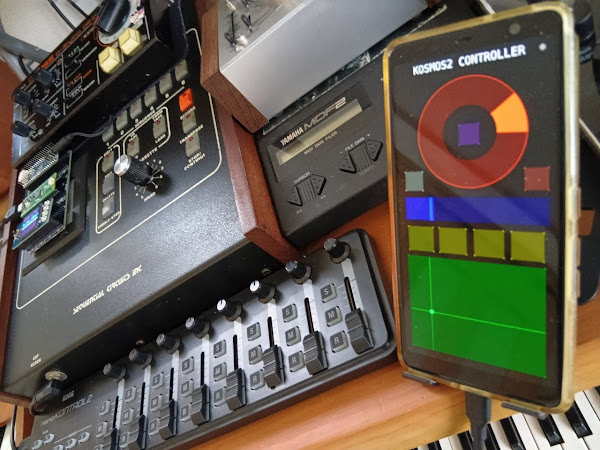
The world of hardware synths and generative music just got an exciting new addition. Created by plantssystem, GreyScale KOSMOS2 is an open-source, 4-voice generative sound engine and performance controller built on top of the powerful new Raspberry Pi Pico 2 (RP2350) microcontroller.
Blurring the lines between autonomous composition and live performance, KOSMOS2 allows musicians to guide generative patterns in real-time, delivering a truly unique approach to digital synthesis. Here is a deep dive into what this incredible open-source project has to offer.
What is GreyScale KOSMOS2?
At its core, KOSMOS2 is a hardware-based generative acoustic engine that utilizes the dual-core DSP processing capabilities of the Raspberry Pi Pico 2 alongside the praised PRA32-U2 digital synthesizer engine (developed by ISGK Instruments).
The concept behind KOSMOS2 is simple yet powerful: “Autonomous generation meets manual intervention.” Instead of just letting a computer randomly play music, or forcing a human to program every single note, KOSMOS2 continuously evolves its own musical patterns while giving the artist complete tactical control via external MIDI, physical buttons, and TouchOSC integration.
Key Features
- 4-Voice Multi-Timbral Engine: Features four completely independent synth parts (A, B, C, and D), each dedicated to a specific sonic duty within the generative architecture:
- Part A (Main): Drives the track forward with an 8th-note x 16 steps main pattern.
- Part B (Sub Bass): Provides sustained low-end frequencies across three distinct rhythmic structures.
- Part C (Chord / Lead): Adds delayed, atmospheric harmonic textures and melodic movements.
- Part D (Japanese Arp): Introduces traditional Japanese scale-based 16th-note arpeggios with micro-tonal variations.
- Full MIDI CC Implementation: Supports seamless control mapping across all four channels. This means filters (CC74), resonance (CC71), and envelopes can be manipulated on the fly by a DAW or physical controller.
- Intelligent Randomizer: Features built-in algorithms that automate scales, execute random transpositions, insert auto-arpeggios, and momentarily silence the main part to dynamically rebuild new patterns.
- TouchOSC Live Control: Ready-made mapping configurations allow creators to shift pitch offsets (-24 to +24 semitones), control note “Density” (trigger probabilities), manipulate tempo multipliers, or switch musical scales dynamically using an iPad, Android tablet, or smartphone.
- Visual LCD Display: Leverages a 1.3-inch LCD screen to output a scrolling 240px pitch matrix history, coloring notes in real time based on their pitch value.
- Stable MIDI Clock: Emits an independent 24ppqn MIDI clock to sync external hardware gear or drum machines perfectly.
Hardware Configuration
To build or run GreyScale KOSMOS2, the project natively integrates with specific off-the-shelf development hardware:
- Microcontroller: Raspberry Pi Pico 2 (RP2350)
- Audio Out: Waveshare Pico-Audio (I2S Audio 48kHz / 16-bit DAC)
- Screen: Waveshare Pico-LCD 1.3″
- Software Interface: TouchOSC (iOS / Android)
Pricing Breakdown
Because GreyScale KOSMOS2 is an open-source project published under the lenient MIT License, the software code, schematics, and structural logic are 100% Free to download and modify via GitHub.
However, users looking to utilize KOSMOS2 must source the physical hardware components themselves. Below is the estimated market cost to acquire the necessary DIY electronics:
| Currency | Estimated DIY Hardware Cost |
| USD ($) | ~$25.00 – $35.00 |
| EURO (€) | ~€23.00 – €32.00 |
| UK (£) | £20.00 – £28.00 |
| AUD ($) | $38.00 – $53.00 |
(Note: Pricing estimates depend heavily on local component distributors, taxes, and shipping fees).
Product Summary Table
| Specification | Details |
| Developer | plantssystem (osamu) |
| Core Architecture | 4-Part Generative Engine & Performance Controller |
| Microcontroller Platform | Raspberry Pi Pico 2 (RP2350) |
| Synth Engine Base | PRA32-U2 Synth (Core1 Processing) |
| Audio Output | 48kHz / 16-bit I2S Audio via Pico-Audio DAC |
| Scales Supported | Hirajoshi, Miyakobushi, Insen, and Pentatonic |
| Control Interfaces | On-board physical buttons, MIDI CC, and TouchOSC |
| License | Open Source (MIT License) |
| Project Repository | GitHub Official [1] |
Final Thoughts
For electronic musicians, sound designers, and DIY hardware enthusiasts, GreyScale KOSMOS2 is a remarkable engineering feat. By harnessing the dual-core processing of the RP2350 chip, it isolates audio rendering from its intricate generative pattern sequencer logic, providing an incredibly affordable, stable, and highly customizable live synth station. Whether you are looking to generate evolving ambient soundscapes or inject fresh, randomized melodies into your studio layout, KOSMOS2 is a repository worth bookmarking.
Footnotes & References
- [1] Official GreyScale KOSMOS2 Source Code: https://github.com/plantssystem/KOSMOS2
Elevate Your Synth: Sinevibes Brings 15 Powerhouse Plugins to the KORG microKORG2
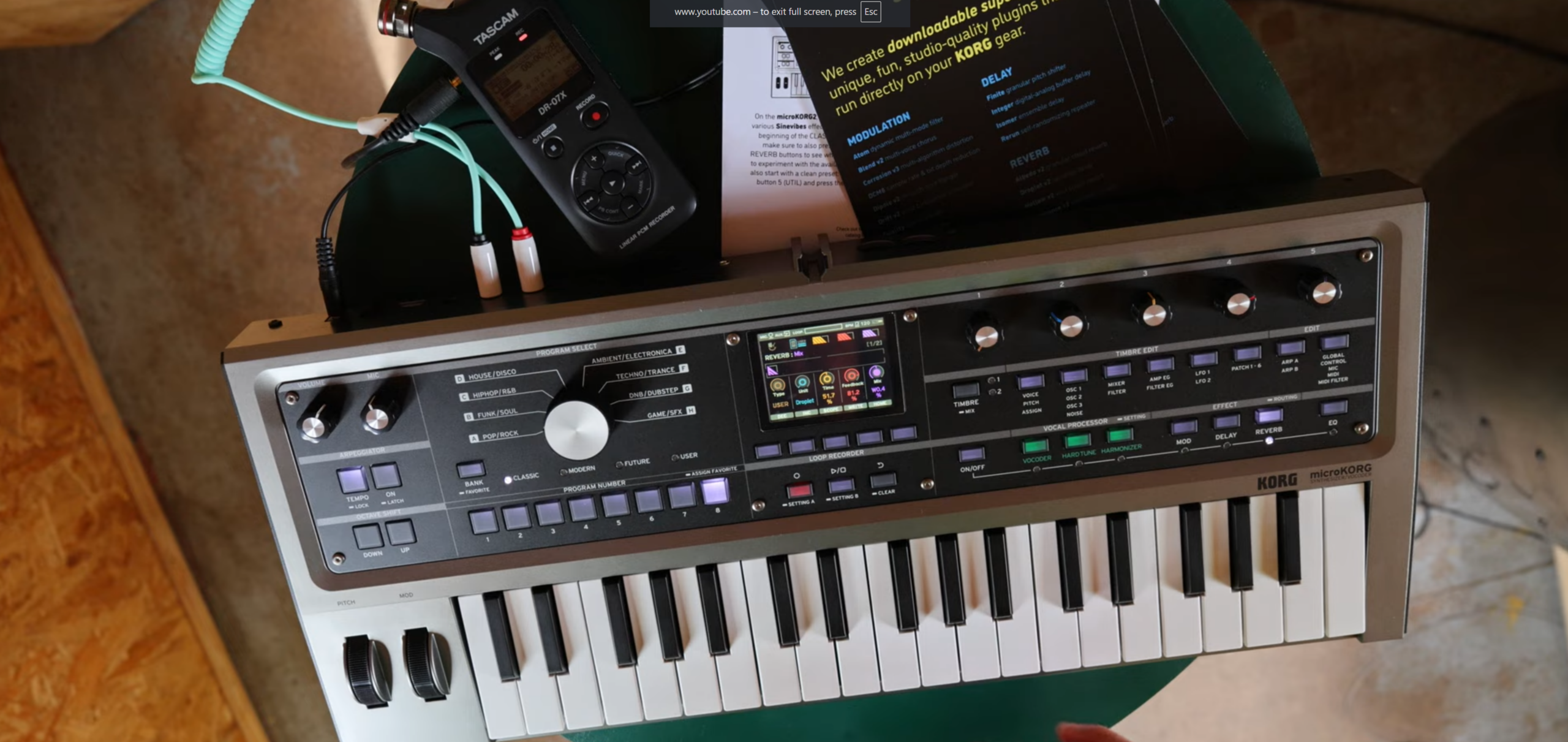
If you recently picked up the newly redesigned KORG microKORG2, you already know it’s a massive upgrade from the original legendary portable hardware. With its beautiful 2.8-inch color screen, independent effects lanes, and a brand-new internal architecture, it’s a modern sound designer’s playground.
But things just got a whole lot more exciting. With KORG’s Firmware Version 2.0 update, the microKORG2 officially welcomes logue SDK support [1, 2]. This means you can now load custom, third-party digital oscillators and effects directly onto the hardware.
Leading the charge in this sonic revolution is renowned sound design company Sinevibes. They have officially optimized and ported 15 of their highly-acclaimed second-generation effects to run natively inside the microKORG2 [1, 2].
Here is everything you need to know about this game-changing software release.
A Studio Inside a Portable Synth: Overview
Sinevibes has long been celebrated for creating some of the most innovative and mathematically precise audio plugins on the market. Their collaboration with KORG isn’t just a basic copy-paste job; the Sinevibes team worked hand-in-hand with KORG engineers to redesign their algorithms specifically for the unique hardware constraints and layout of the microKORG2 [1, 2].
By utilizing these logue SDK user effects, you can bypass the standard onboard presets and inject high-end, studio-grade processing into your signal chain. This effectively elevates your portable microKORG2 to the sonic heights of expensive outboard hardware effects processors [1, 2]. From lush granular spaces to randomized glitches and digital degradation, these plugins expand your musical palette into “Future” synthesis territories.
Key Features of the Sinevibes microKORG2 Plugins
The Sinevibes KORG series brings immense depth, boasting unique features optimized for hardware performance:
- Seamless Hardware Integration: The plugins integrate natively with the microKORG2’s existing modulation matrix, reverbs, and color display [1, 2]. You edit them directly from the synth’s controls.
- 15 Specialized Titles: Immediately unlock a collection of fifteen unique effects, ranging from time-based delays to dynamic spectral filters [1].
- Acclaimed Algorithms: Includes top-tier titles like Albedo v2 (granular cloud reverb for infinite, ethereal space simulation), Corrosion v3 (multi-algorithm distortion and grit), and Rerun (a self-randomizing repeater perfect for IDM/glitch textures) [1].
- Free Legacy Updates: If you already owned these effects for previous KORG hardware (like the minilogue xd or prologue), the microKORG2 versions are added to your account entirely free of charge [3].
Included Plugins & Modules
The 15-plugin suite focuses heavily on expanding the microKORG2’s spatial, modulation, and distortion capabilities. Some of the standout highlights featured in the collection include:
- Albedo v2: A stunning granular cloud reverb that turns single notes into vast ambient pads [1].
- Corrosion v3: Industrial, multi-algorithm distortion for adding saturation, warmth, or complete audio destruction [1].
- Rerun: A clever self-randomizing audio repeater that slices and loops incoming audio on the fly [1].
- Atom: A dynamic multi-mode filter that moves rhythmically with your playing [3].
- Drift v2: A unique wind turbulence and organic fluctuation simulator [3].
- Luminance v2: An elegant, shimmering shimmer-reverb that adds gorgeous high-octave tails to pads and leads [2, 4].
- Dipole v2: A traditional through-zero flanger that delivers deep, swirling retro-modulation [2, 4].
Pricing and Availability
Sinevibes makes these plugins accessible whether you want to buy them one by one to fill specific gaps in your sound design workflow, or purchase them all together for maximum savings.
- Individual Plugins: $19.00 USD each [3].
- The KORG FX 15-Plugin Bundle: $149.00 USD [3].
Depending on your local region, currency conversions generally map closely to the following rates:
| Product Options | USD ($) | EURO (€) | GBP (£) | AUD ($) |
| Individual Plugin | $19.00 | €18.00 | £15.50 | $29.00 |
| Complete 15-FX Bundle | $149.00 | €139.00 | £119.00 | $229.00 |
Note: Pricing may fluctuate slightly depending on localized VAT/taxes and distributor-specific sales.
Product Summary Table
| Feature | Details |
| Product Name | Sinevibes KORG FX Series for microKORG2 [1, 2] |
| Developer | Sinevibes (in collaboration with KORG) [1, 2] |
| Platform Compatibility | KORG microKORG2 (Requires Firmware v2.0 or higher) [1, 2] |
| Plugin Format | KORG logue SDK Custom User FX [1, 2] |
| Total Plugins Included | 15 unique titles (including Albedo, Corrosion, Rerun, Atom, Drift) [1, 3] |
| Key Categories | Granular Reverb, Multi-distortion, Glitch/Repeaters, Spatial Modulation [1, 4] |
| Price (Bundle) | $149.00 USD / €139.00 EUR / £119.00 GBP / $229.00 AUD [3] |
Final Thoughts
The microKORG2 is already proving to be a fantastic successor to a twenty-year legacy, but the addition of the logue SDK opens a door to infinite expandability. Sinevibes’ suite transforms this compact synth from an exceptional stage instrument into an absolute powerhouse of experimental studio sound design. If you want to make your microKORG2 sound entirely unique, this bundle is worth every penny.
References & Footnotes
- [1] KORG Canada Official – microKORG2 Version 2.0 Update: https://www.korg.com/caen/products/synthesizers/microkorg2/v2.php
- [2] KORG Australia Official – microKORG2 Evolution & Logue SDK: https://www.korg.com/au/products/synthesizers/microkorg2/v2.php
- [3] Rekkerd – Sinevibes Plugins Come to microKORG2: https://rekkerd.org/sinevibes-effect-plugins-come-to-the-korg-microkorg2-synthesizer/
- [4] Sinevibes Official Website – KORG Multi-Engine Platform: https://www.sinevibes.com/korg/
New Spaces: Make Noise and Tom Erbe Reveal the Plexiphon Spatial Texturizer
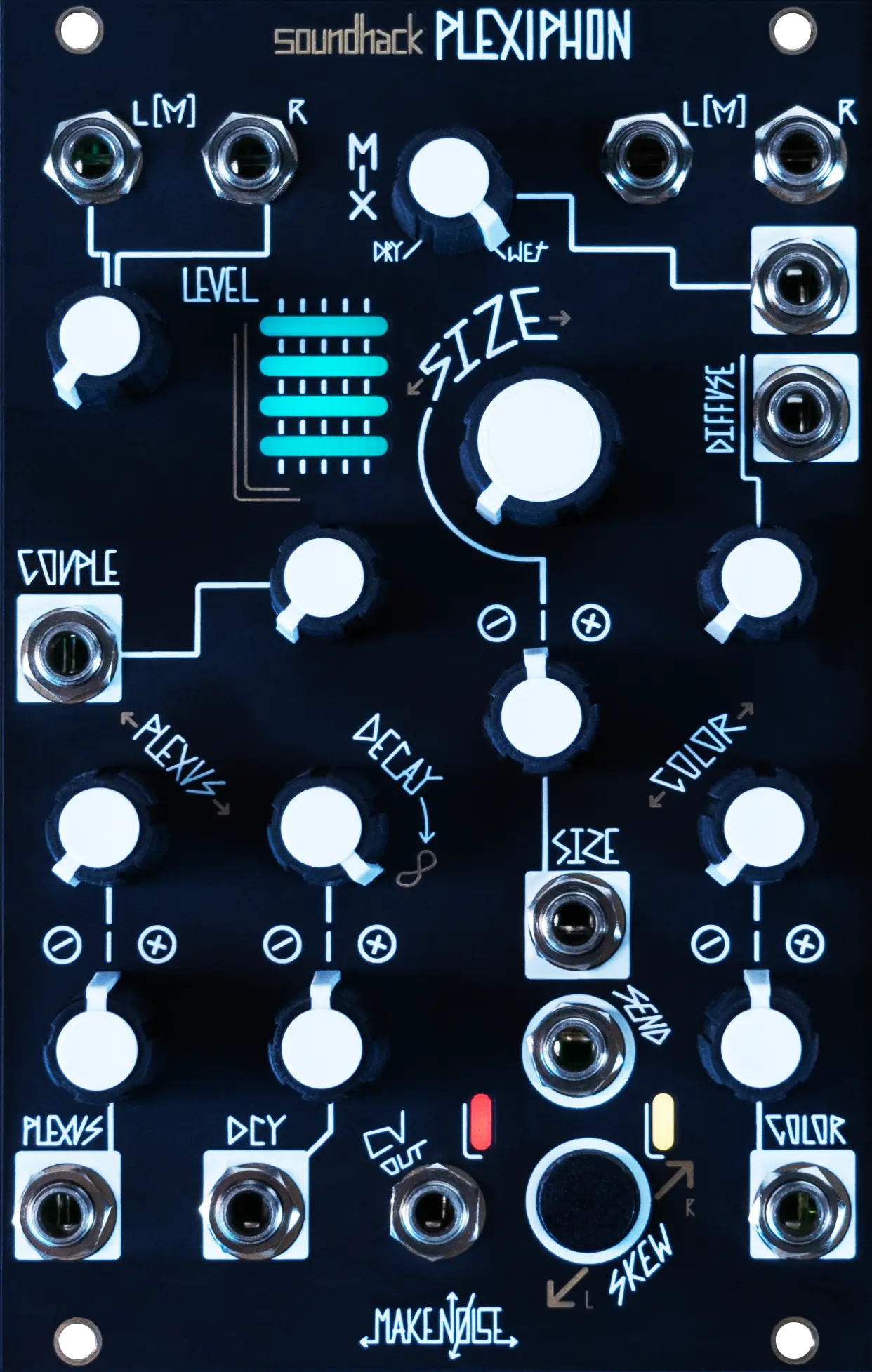
The eurorack universe has a long, celebrated history of time-based effect modules that blur the lines between reality and synthetic experimentation. This year at Superbooth 2026, Make Noise Music—in their ongoing legendary collaboration with DSP pioneer Tom Erbe of Soundhack—unveiled their latest creation: the Make Noise Plexiphon [1].
Described as a “stereo modeless spatial texturizer,” the Plexiphon refuses to be pinned down to a single category [2]. It is not just a reverb, nor is it a standard multi-tap delay [2]. Instead, it handles spatialization as a fluid, continuous spectrum, giving synthesists a deeply playable, voltage-controlled environment to pull hidden character out of any audio source [1, 3].
Here is everything you need to know about this groundbreaking new module.
Overview & Sonic Philosophy
If you have ever used Make Noise classics like the Erbe-Verb, Echophon, or Mimeophon, you know that Tom Erbe’s algorithms are built to be actively performed rather than treated as “set-and-forget” studio processors [4]. The Plexiphon continues this lineage but runs on Make Noise’s newest digital hardware platform, leveraging completely fresh code written from scratch [2].
The core architectural marvel of the Plexiphon is its modeless design [2]. In traditional multi-effects, moving from a delay to a reverb requires switching algorithms, causing audio dropouts or unnatural crossfades [2]. The Plexiphon eliminates this entirely [2].
At the center of the module is the Plexus control [1]. This single knob dynamically reconfigures a complex internal network of feedback paths, controlling both the number of paths and how intricately they entanglement across time and frequency domains [2].
- Turned fully counter-clockwise: The module acts like a dense, lush, diffuse reverberation space [2].
- Turned fully clockwise: It shifts into a stark, rhythmic multi-tap echo system [2].
- The magic in-between: Here, the algorithm occupies an uncharted sonic territory filled with smeared echoes, metallic acoustic blooms, micro-reverbs, and evolving, unclassifiable environments [2].
Combined with a large, inviting Size knob (which acts as a room scale or delay time depending on the Plexus setting) and dedicated Color and Diffuse controls, the Plexiphon shapes time-based timbres seamlessly from dark and soft to bright and razor-sharp [2].
Deep Stereo Animation
Make Noise has outfitted the Plexiphon with remarkable control over the stereo field using two primary parameters: Couple and Skew [1].
- Couple: This knob smoothly transitions the module’s behavior from a strict dual-mono processor (fully isolated left/right channels) to an intricately interlaced, woven stereo field [1, 2].
- Skew: Borrowing a philosophy from other beloved Make Noise modules, Skew applies an inverse or tandem offset to the left and right channels simultaneously [1, 2]. When adjusted, it offsets the Plexus, Size, and Color parameters across both channels, instantly yielding animated, asymmetric stereo movement that goes far beyond traditional panning [2, 3].
Performance Utilities and System Integration
True to Eurorack form, the Plexiphon is designed to communicate dynamically with the rest of your system [1]. It includes a Send gate input (normalled high, patchable via CV) which governs exactly when the dry audio enters the feedback network [2]. This is a massive boon for live performance, making classic dub-style echo throws, momentary reverb splashes, and gated ambient bursts incredibly easy to execute [2].
Furthermore, an onboard Envelope Follower (CV Out) tracks the amplitude dynamics of the module’s output signal [2]. This allows you to easily patch a self-mending loop—sidechaining the Plexiphon’s own parameters to its output—or send that dynamic control out to modulate filters and oscillators elsewhere in your case [2].
Key Features
- Modeless Processing: Fluid transitions between multi-tap delay and lush reverberation without algorithm switching or crossfading [2].
- Plexus Control: Modulates the complexity and mutual entanglement of internal feedback networks [1, 2].
- Size Parameter: Smoothly scales temporal relations, from tight room reflections to long echo timings [2].
- Timbral Shaper (Diffuse & Color): Controls the softness/sharpness and darkness/brightness of the effect tails over time [1, 2].
- Stereo Imagery (Couple & Skew): Continuous control from dual-mono to full stereo, with inverse channel offsetting for advanced spatial animation [1, 2].
- Send Gate Input: CV-controllable gate input designed for dub-echo patching and rhythmic spatial bursts [1, 2].
- CV Output: Built-in envelope follower tracking output amplitude for internal or external system modulation [2].
- Premium Digital Hardware: Entirely new code by Tom Erbe optimized for Make Noise’s latest digital hardware infrastructure [2].
- Flexible I/O: Full stereo inputs and outputs featuring mono-sum normalizations [2].
Pricing & Availability
Pre-orders for the Make Noise Plexiphon are currently open at major modular retailers worldwide, with official shipping scheduled to begin in June 2026 [2].
The manufacturer’s suggested retail pricing across major global currencies is mapped below:
- United States (USD): $469.00 [2]
- Europe (EURO): €479.00 [2]
- United Kingdom (GBP): £419.00 [5]
- Australia (AUD): $889.00 [6]
Product Summary Table
| Parameter / Specification | Details |
| Manufacturer | Make Noise Music × Tom Erbe (Soundhack) [2] |
| Module Type | Modeless Stereo Spatial Texturizer (Delay / Reverb) [2] |
| Width | 16 HP [1] |
| Depth | 34 mm (including power cable) [1] |
| Current Draw | 240 mA @ +12V / 5 mA @ -12V / 0 mA @ +5V [2] |
| Audio I/O | Stereo L/R Inputs & Outputs (with Mono Sum normalizations) [2] |
| CV Inputs | Plexus, Size, Diffuse, Color, Couple, Skew, Send Gate, Decay, Mix [2] |
| CV Outputs | Envelope Follower (Output Amplitude) [2] |
| Release Date | Shipping June 2026 [2] |
Footnotes / Product Links
- [1] Make Noise Official Plexiphon Product Page: https://www.makenoisemusic.com/modules/plexiphon/
- [2] Wired Tunes Plexiphon Data: https://wrdtunes.com/products/make-noise-x-tom-erbe-plexiphon
- [3] Mixdown Magazine Feature: https://mixdownmag.com.au/news/make-noises-plexiphon-is-a-spatial-texturizer-that-lives-between-reverb-and-echo/
- [4] Perfect Circuit Soundhack Overview: https://www.perfectcircuit.com/signal/make-noise-plexiphon-overview
- [5] Rubadub UK Retail: https://rubadub.co.uk/products/make-noise-plexiphon-eurorack-stereo-spatial-texturizer-module
- [6] Found Sound Australia Retail: https://foundsound.com.au/products/42394
- [7] Gearnews Superbooth Launch: https://www.gearnews.com/make-noise-tom-erbe-plexiphon-synths/
- [8] Perfect Circuit Store Specifications: https://www.perfectcircuit.com/make-noise-plexiphon.html
Price Watch
Find below images and links to the items we showed for the price watch segment.
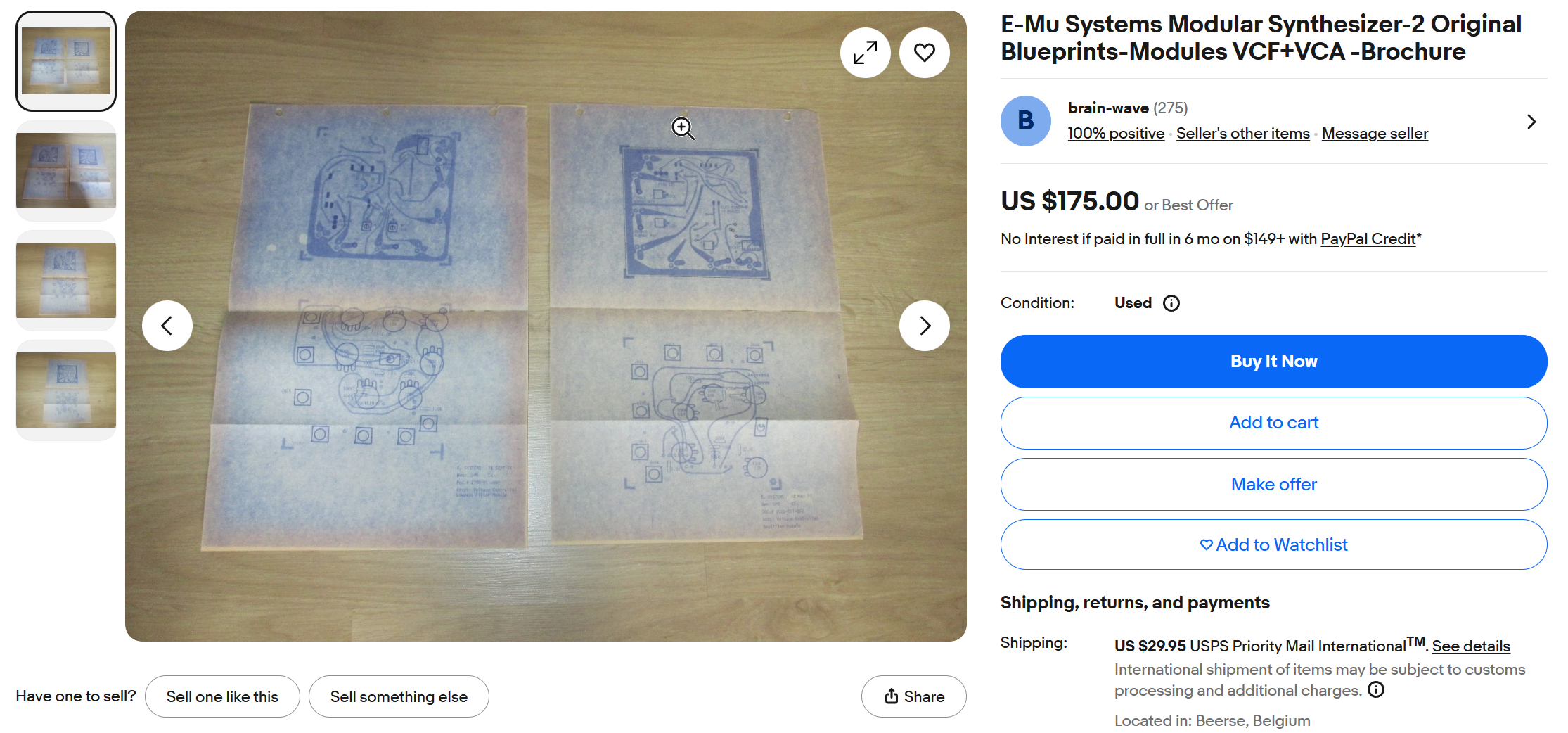

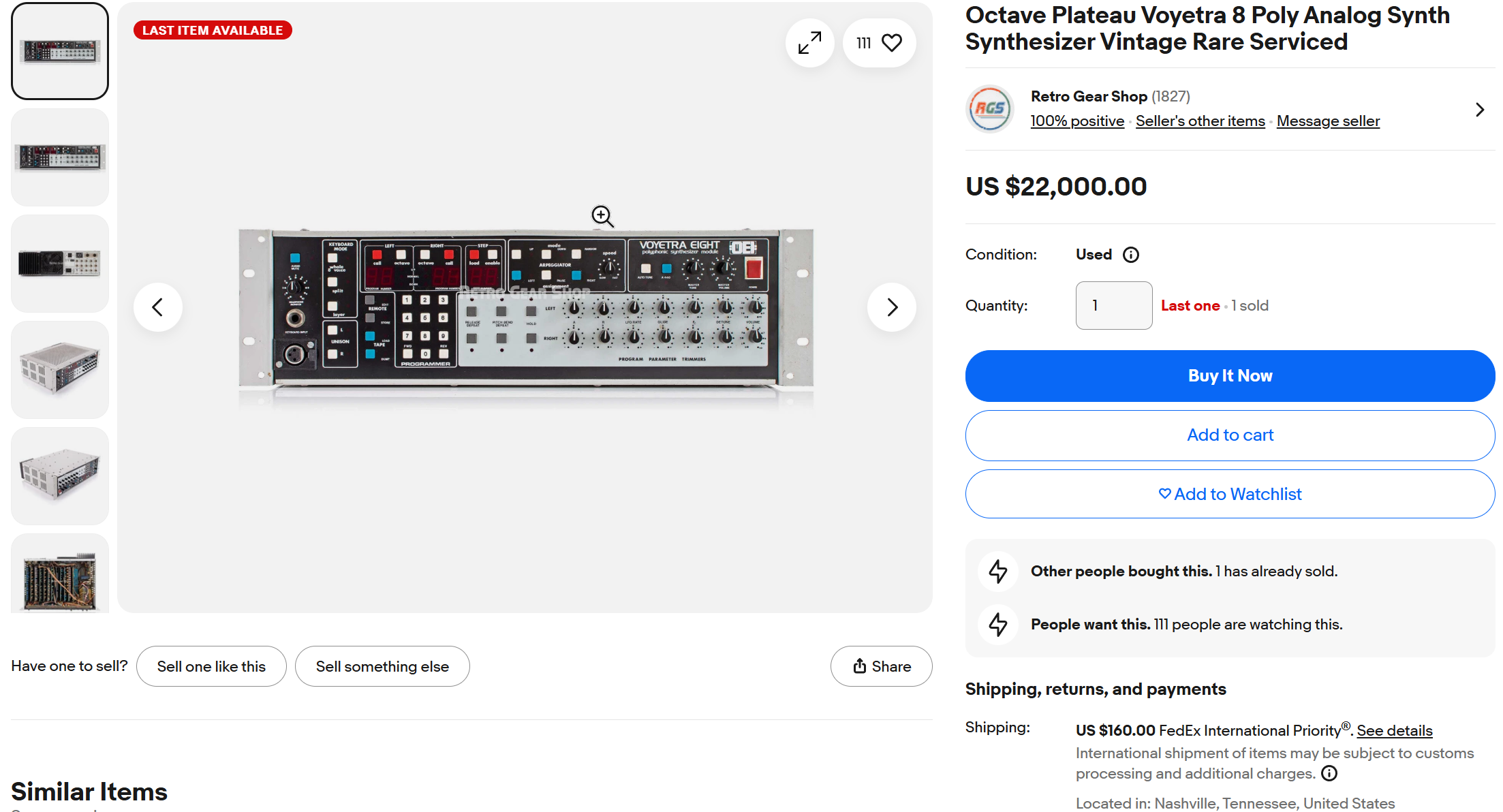
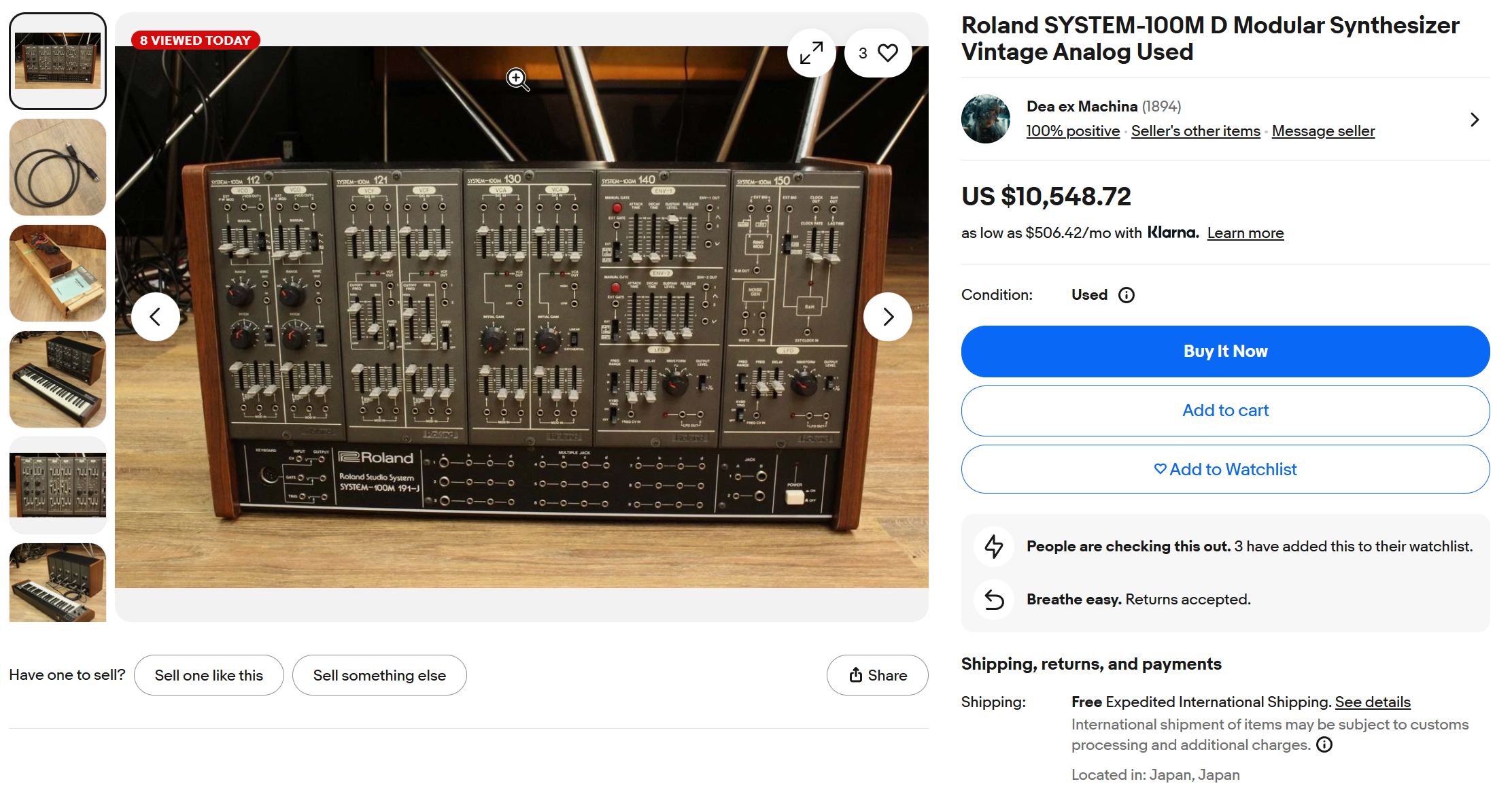
| E-Mu Systems blueprint | https://ebay.us/SI4L42 |
| Arturia MicroBRUTE | https://ebay.us/Wp4nR1 |
| Voyetra8 | https://ebay.us/QbC6vI |
| Roland System 100M | https://ebay.us/mv9rAJ |
* As an eBay Partner Network Affiliate, I earn from qualifying purchases.
Name That Synth
No name that synth this week – send one in!
If you are after more information about Name that Synth – please check out this page here.
Saturday Sonority
This week’s Saturday Sonority we might talking about …..


Recent Comments